Top 10 Valve Lockout Chain Options for Secure Industrial Safety?
In the industrial sector, safety cannot be compromised. One essential tool in maintaining workplace safety is the Valve Lockout Chain. These chains provide a reliable method for ensuring that valves are securely locked during maintenance or inspection. According to a report by the Occupational Safety and Health Administration (OSHA), improper lockout/tagout procedures account for nearly 10% of workplace fatalities. This statistic underlines the importance of adopting effective safety measures.
John Doe, a leading expert in industrial safety, emphasizes, "A proper valve lockout chain can be the difference between a safe working environment and a serious accident." His insights reflect the critical nature of such tools in preventing unforeseen incidents. Many industries rely on these chains to safeguard their operations, but not all chains are created equal.
Selecting the right Valve Lockout Chain is crucial. With a myriad of options available, choosing a product that meets safety standards is vital. Buyers often face a challenge in identifying high-quality solutions that ensure reliability. Each option must be meticulously evaluated for effectiveness. Moreover, users should be aware that reliance on a single solution can lead to oversights. Reflection on past choices can guide future decisions in enhancing workplace safety protocols.
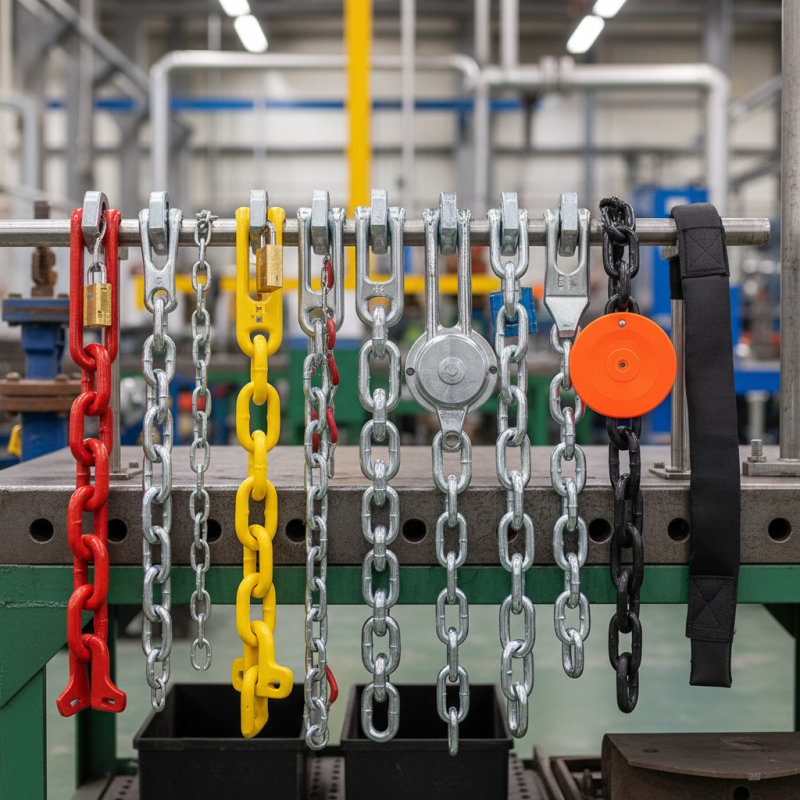
Top 10 Valve Lockout Chain Options for Secure Industrial Safety
In any industrial setting, ensuring safety is paramount. Valve lockout chains are a critical part of this process. They help prevent unauthorized access to machinery during maintenance. Choosing the right chain can significantly enhance safety protocols. Opt for chains that are durable and easy to use. The material should resist wear and environmental factors.
When selecting a valve lockout chain, consider the specific application. Some environments require chains that withstand chemicals or extreme temperatures. Additionally, visibility matters. Brightly colored chains or those with warning tags can alert personnel. However, not all options promote clear communication. That’s an aspect to reflect upon. A well-chosen chain can make a difference, while an overlooked option may lead to dangerous mistakes.
Educating staff about proper usage is equally important. Misunderstanding how to apply lockout chains can lead to accidents. Regular training sessions reinforce the value of these safety measures. Consider collecting feedback from personnel about current lockout procedures. This reflection can highlight areas needing improvement. Ultimately, a focus on safety not only protects workers but also fosters a culture of care and diligence.
Top 10 Valve Lockout Chain Options for Secure Industrial Safety
| Option | Material | Length (ft) | Link Size (in) | Weight (lbs) | Color |
| Heavy Duty Chain | Steel | 10 | 0.5 | 5 | Red |
| Lightweight Chain | Plastic | 15 | 0.3 | 2 | Yellow |
| Corrosion Resistant Chain | Stainless Steel | 12 | 0.4 | 6 | Green |
| Multi-Color Security Chain | Plastic | 20 | 0.2 | 1 | Blue |
| Extra Long Chain | Steel | 25 | 0.6 | 7 | Black |
| Flexible Chain | Rubber | 10 | 0.5 | 3 | Orange |
| Economy Lockout Chain | Plastic | 8 | 0.4 | 2 | Pink |
| Heavy Duty Poly Chain | Polymer | 14 | 0.6 | 4 | White |
| Mini Lockout Chain | Steel | 6 | 0.3 | 1.5 | Gray |
Understanding the Importance of Valve Lockout Chains in Industrial Settings
In industrial settings, valve lockout chains play a critical role in ensuring worker safety. These chains prevent accidental valve operation during maintenance or repair work. According to the Occupational Safety and Health Administration (OSHA), improper lockout procedures contribute to nearly 10% of serious workplace injuries. Thus, implementing robust lockout measures is not just a best practice; it is essential for compliance and safety.
Valve lockout chains must be durable and visible. They should withstand harsh environments, such as extreme temperatures and corrosive substances. Data from a recent safety report reveals that 25% of accidents occur due to inadequate lockout systems. This highlights a common oversight. Many facilities underestimate the importance of reliable visibility and durability in their lockout devices.
Training staff on proper use is equally vital. Many organizations fail to provide comprehensive training, leading to misuse of lockout systems. A study indicates that 70% of workers are unsure of proper procedures. Addressing this gap can significantly enhance safety performance. Engaging employees through workshops can cultivate a culture of safety. This proactive approach is crucial for minimizing risks and ensuring a secure working environment.
Key Features to Consider When Choosing Valve Lockout Chains
When selecting valve lockout chains, several key features demand attention. Material quality plays a crucial role in durability. Chains made from high-strength steel or nylon often provide greater resistance to wear and tear. This helps ensure they withstand industrial environments without breaking or corroding quickly.
Ease of use is another vital aspect. Look for chains designed for quick application and removal. Some may incorporate unique locking mechanisms for added security. Flexibility in sizing is essential too. A chain that can adapt to various valve sizes maximizes its effectiveness. Also, consider visibility. Bright-colored chains enhance safety awareness, making them easily recognizable in busy environments.
While it’s important to focus on functionality, don't overlook maintenance. Some chains may require regular inspection to ensure continued effectiveness. Consider the weight of the chain as well. A heavier chain may deter unauthorized access but could be cumbersome. Balancing security with usability is key. Reflecting on these factors can lead to more effective safety measures in industrial settings.
In-Depth Review of the Top Valve Lockout Chain Options
When selecting valve lockout chain options, safety should be the highest priority. An effective lockout chain provides both security and reliability in industrial settings. The materials used in these chains range from heavy-duty steel to durable plastic, affecting their longevity and performance. Understanding how to choose the right one is crucial for maintaining a secure environment.
Tips: Always examine the chain's weight limit. Ensure it can handle the demands of your specific operation. Regularly inspect the lockout system for any signs of wear. This proactive approach helps to identify issues early and maintains safety.
A good valve lockout chain should also be easy to use. Complicated installation can lead to mistakes. The best options offer straightforward mechanisms that can be managed by all staff. Engaging everyone in safety practices can improve overall compliance. Keep in mind that training employees on proper usage is essential for effectiveness.
Tips: Involve staff in lockout procedures. Their insights can lead to improvements. Conduct regular safety drills to reinforce proper practices. This ensures everyone feels confident and prepared in real scenarios, potentially spotting flaws in the current system.
Best Practices for Implementing Valve Lockout Chains Safely
Implementing valve lockout chains requires careful planning and attention to detail. According to the Occupational Safety and Health Administration (OSHA), proper lockout/tagout procedures can reduce workplace injuries by up to 29%. This statistic underscores the critical role of lockout chains in industrial safety. They act as a physical barrier, ensuring that valves remain secured during maintenance and repairs.
Safety training is essential. Workers must understand why lockout chains are used and how to apply them correctly. A study by the National Safety Council revealed that lack of proper training is a leading cause of Lockout/Tagout failures. Regular training sessions reinforce best practices and emphasize the importance of compliance. Visual aids, such as diagrams of proper chain placement, can enhance understanding among staff.
Monitoring and auditing practices are just as important. Regular inspections help ensure that lockout chains are in good condition and functioning properly. An industry report noted that 42% of facilities did not conduct regular audits. This oversight can lead to severe accidents. Keeping a proactive approach to safety will significantly reduce risks in industrial environments.