Top Water Pipe Fittings in 2026 What You Need to Know?
As we look ahead to 2026, the market for water pipe fittings is undergoing significant transformations. According to a recent industry report by MarketsandMarkets, the global water pipe fittings market is projected to reach USD 61.5 billion by 2026, growing at a CAGR of 8.9%. This growth is driven by increasing infrastructure investments and the need for efficient water management systems. Water pipe fittings are crucial components in these systems, ensuring the integrity of water supply networks.
However, it's essential to recognize the challenges faced by this industry. With a projected annual growth rate, manufacturers need to focus on innovation. Many existing products may not meet modern standards for sustainability and efficiency. The demand for environmentally friendly materials is rising. Additionally, outdated designs may hinder performance and increase maintenance costs. Stakeholders must adapt to these shifts to stay competitive.
Investors and engineers must pay close attention to design trends. Smart technologies are being integrated into water pipe fittings, improving monitoring and control. Adopting these advancements is necessary for future-proofing infrastructure. The commitment to quality and innovation in water pipe fittings will ultimately determine success in this evolving market landscape.

Overview of Water Pipe Fittings in 2026
As we delve into water pipe fittings in 2026, it's crucial to understand the evolving landscape. The global market for these fittings is projected to reach $67 billion by 2026, reflecting a compound annual growth rate of 4.6%. This growth is driven by increasing water infrastructure needs, especially in urban areas.
Various materials dominate the market. Polyethylene and PVC are gaining popularity due to their durability and corrosion resistance. Data indicates that 40% of installations use these materials, highlighting their growing acceptance. However, challenges remain. Many projects encounter delays and budget overruns due to inadequate planning.
The industry faces pressure to enhance sustainability. A significant portion of fittings produced often lacks recyclability, raising environmental concerns. Experts emphasize the need for innovative approaches to address waste management. Balancing functionality with eco-friendliness remains a pressing issue.
Key Materials Used in Modern Water Pipe Fittings
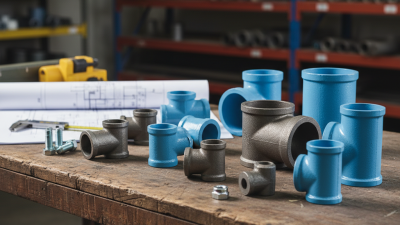
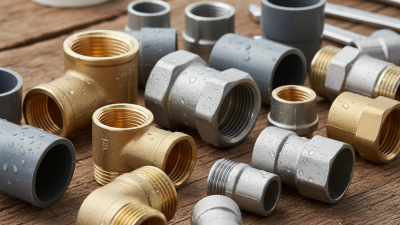
In 2026, the landscape of water pipe fittings continues to evolve rapidly. Key materials used in modern fittings significantly influence their durability and performance. Common materials include PVC, copper, and stainless steel. Each material boasts unique properties suited for specific applications. According to industry reports, PVC fittings account for approximately 55% of the market due to their lightweight nature and cost-effectiveness.
Copper, known for its corrosion resistance, is still popular in residential plumbing. It comprises about 20% of the market. However, the rising cost of copper can be a burden for some projects. Stainless steel is growing in popularity, especially in commercial settings, thanks to its strength and longevity. It represents about 15% of the market share, reflecting a trend towards more sustainable materials.
It's essential to consider the environmental impact of these materials. PVC can take hundreds of years to decompose. On the other hand, stainless steel is fully recyclable, but its production is energy-intensive. Choosing the right material involves a balance between performance and environmental responsibility.
Tips: Always assess the specific needs of your project before selecting fittings. Consider both initial costs and long-term sustainability. The best choice often requires careful deliberation.
Advancements in Water Pipe Fitting Technology
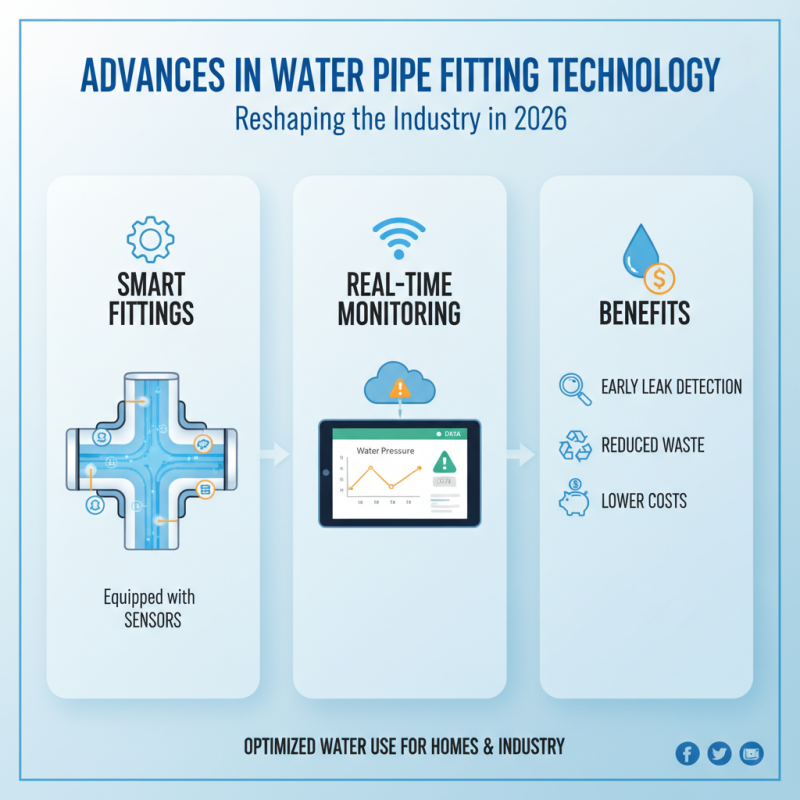
Advancements in water pipe fitting technology are reshaping the industry in 2026. One significant trend is the rise of smart fittings. These fittings come equipped with sensors. They monitor water pressure and flow in real time. This data helps identify leaks early, reducing waste and costs. Imagine a home where your water use is entirely optimized.
Another advancement is the use of sustainable materials. Many manufacturers now choose eco-friendly options like recycled plastics or bio-based composites. These materials not only minimize environmental impact but also enhance durability. However, the challenge lies in balancing performance with sustainability. Some products may not perform as expected, prompting users to rethink their choices.
Innovation is also present in the design of fittings. Modular designs allow for easier installation and customization. At the same time, this complexity may confuse less experienced users. Proper training becomes essential. As technology progresses, we must ensure all stakeholders are informed and equipped to adapt to these changes. The future of water pipe fittings holds great promise, yet careful consideration is vital.
Common Applications for Water Pipe Fittings in 2026
In 2026, water pipe fittings are crucial in several applications. Industry reports indicate significant growth in plumbing systems, irrigation, and water supply networks. The global market for water pipe fittings is projected to reach $150 billion by 2026, reflecting a growing demand for reliable and efficient solutions.
Plumbing systems remain the primary application for these fittings. They are essential for ensuring leak-free connections. In residential buildings, the efficiency of plumbing systems can affect overall water usage. It's vital to select fittings that meet stringent quality standards. Misjudgments in material choice can lead to costly repairs and water wastage. Many builders report that inadequate fittings delay construction timelines and inflate project costs.
Irrigation systems also heavily depend on these fittings. Efficient irrigation is crucial for agriculture, especially with increasing climate challenges. Over 40% of global water use is for irrigation purposes. Thus, ensuring high-quality fittings is critical for sustainability. However, some installations fail to meet long-term needs. Regular evaluations of fittings' performance can prevent unexpected failures. Maintaining efficiency is essential for maximizing water resources in arid regions.
Top Water Pipe Fittings in 2026 - Common Applications for Water Pipe Fittings in 2026
| Fitting Type |
Material |
Common Applications |
Temperature Range (°C) |
Pressure Rating (psi) |
| PVC Coupling |
PVC |
Residential Plumbing |
0 to 60 |
150 |
| Copper Elbow |
Copper |
Heating Systems |
1000 |
| Stainless Steel Tee |
Stainless Steel |
Industrial Applications |
-50 to 500 |
1500 |
| PPR Random Valve |
PPR |
Water Supply Systems |
0 to 80 |
160 |
| Galvanized Steel Pipe Fitting |
Galvanized Steel |
Construction Sites |
-20 to 180 |
300 |
Choosing the Right Water Pipe Fitting for Your Needs
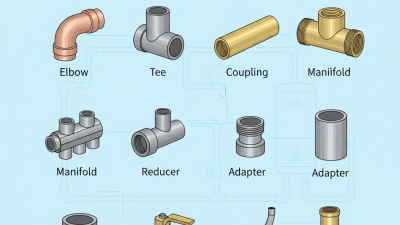
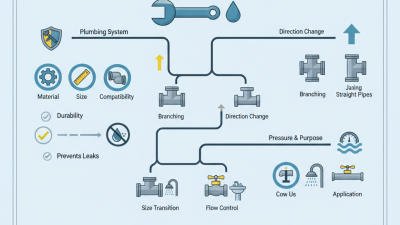
Choosing the right water pipe fitting is essential for any plumbing project. Different applications require unique fittings made from various materials. You might need something durable, like PVC, or something flexible, like rubber. Consider the environment where these fittings will be used. Are they indoors or outdoors? Will they be exposed to extreme temperatures or chemicals?
Take the time to understand the sizing options. A fitting too small can cause leaks, while one too large may not hold pressure. Measure your pipes carefully. Pay close attention to threads, joints, and any specific requirements for your setup. This is often overlooked, yet it’s crucial for a successful installation.
There are standards and codes to consider. Some regions have specific regulations regarding pipe fittings. Checking these regulations can prevent future problems. You might find that a fitting that seemed perfect isn't compliant. Research and consult experts when in doubt. Choosing the wrong fitting could mean costly repairs down the line. Think through your choices carefully; a little diligence now can save you trouble later.