Top 10 Water Pipe Fittings Every Homeowner Should Know?
Understanding water pipe fittings is essential for every homeowner. These components play a crucial role in plumbing systems. According to a report from the Plumbing Manufacturers International, over 60% of plumbing issues arise from improper fittings. Knowledge about the top water pipe fittings can save costly repairs.
Expert John Smith, a noted plumbing specialist, emphasizes, “Choosing the right fittings is vital for efficient water flow and durability.” This highlights the importance of making informed decisions. Many homeowners overlook these elements, leading to leaks and system failures.
Water pipe fittings come in different types and sizes. Familiarity with them can enhance long-term system performance. It's easy to ignore, but a small fitting choice can have major consequences. Reflecting on this, homeowners should regularly assess their plumbing setups for optimal functionality.
Essential Types of Water Pipe Fittings for Homeowners
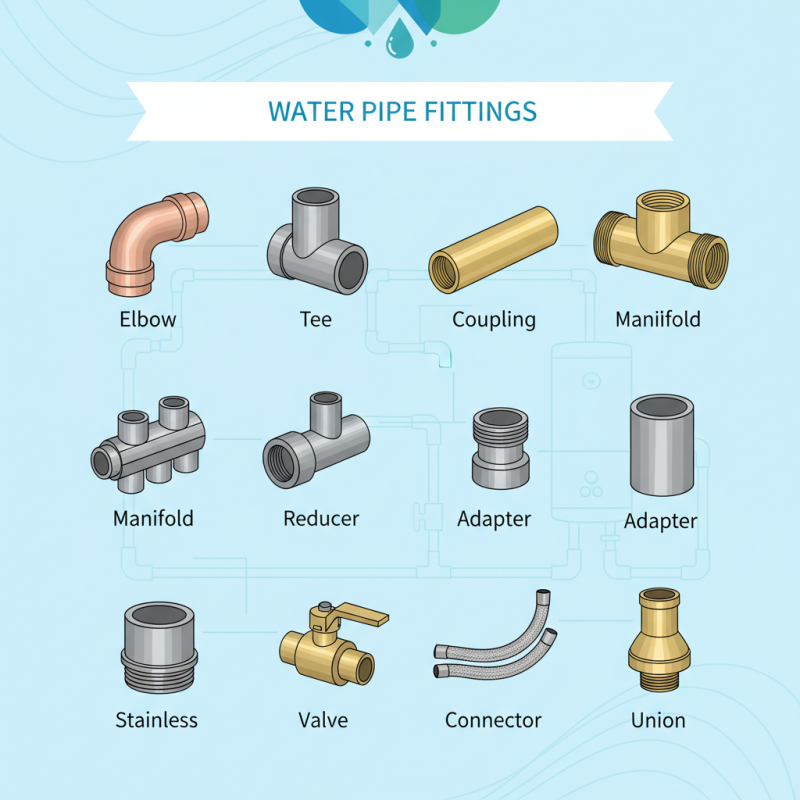
When it comes to plumbing, having the right water pipe fittings can make a big difference. Essential fittings include connectors, elbows, and couplings. These pieces allow you to join sections of pipe together or change direction. Sometimes, homeowners overlook the importance of having these fittings on hand. Being unprepared can lead to delays when repairs are needed.
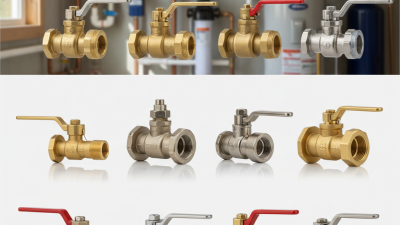
Another vital component is the valve. Valves control water flow. A well-placed valve helps manage water supply during emergencies. Then there are tees. These fittings let you branch off a main line easily. You might not realize how often you need them until a project comes up. Perhaps you want to install a new faucet or irrigation system.
Each fitting has its unique purpose. Knowing which to use can be tricky for some. There’s always a learning curve. Don't be afraid to seek advice. Every homeowner should at least familiarize themselves with the basics. This knowledge can empower you. You may find yourself undertaking projects you once deemed daunting. Being proactive can save time and stress later.
Top 10 Water Pipe Fittings Every Homeowner Should Know
Understanding the Functionality of Each Fitting Type
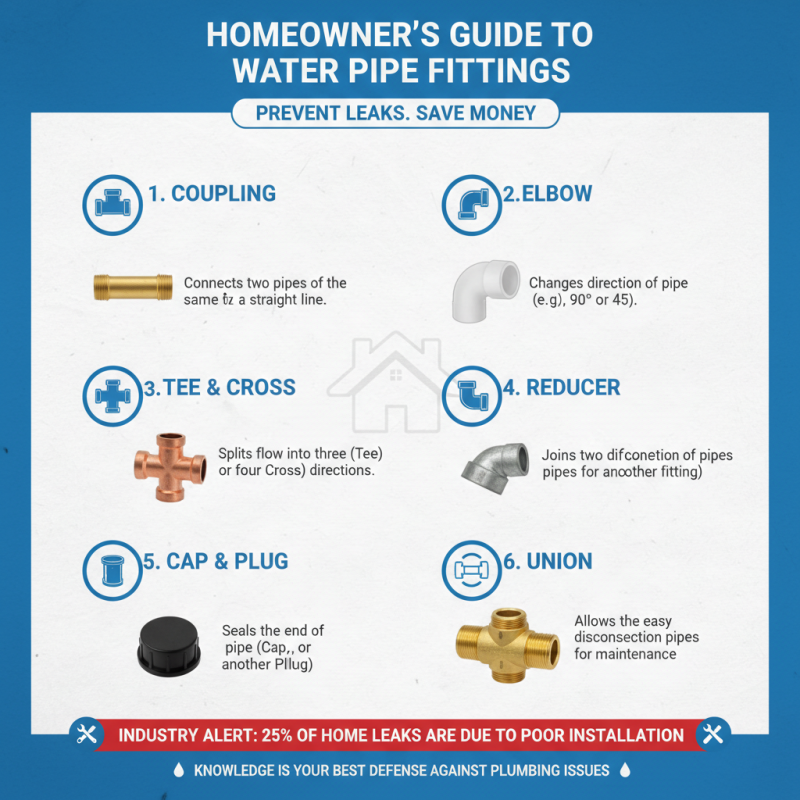
Water pipe fittings are essential for any homeowner. Understanding their functionality helps prevent plumbing issues, as improper fittings can lead to leaks. According to industry reports, poor installation can cause leaks in about 25% of homes. Thus, knowing each fitting type is crucial.
The most common fittings include elbows, tees, and couplings. Elbows change the direction of the pipe. Tees connect three pipes, allowing water to flow in multiple directions. Couplings connect two pipes directly for a seamless transition. Each fitting serves a specific purpose, highlighting the importance of choosing the right one. Misusing them can result in severe problems, including water damage and increased repair costs.
Homeowners should also consider material types. PVC, copper, and PEX are commonly used. Each has unique properties, affecting durability and flexibility. A report from the American Society of Plumbing Engineers indicates that the wrong material selection can reduce a system's lifespan by up to 50%. Homeowners must reflect on their choices. Mistakes can be costly and time-consuming, making it vital to understand how each fitting affects overall plumbing efficiency.
Common Materials Used in Water Pipe Fittings and Their Benefits
When it comes to water pipe fittings, the materials used are crucial. They dictate not just the durability, but also the efficiency of your plumbing system. Common materials include PVC, copper, and PEX. According to the American Society of Plumbing Engineers, PVC is favored for its affordability and lightweight nature. It's resistant to corrosion and chemical damage, making it reliable in various applications. However, one drawback is its susceptibility to UV damage, limiting outdoor use.
Copper fittings have long been a standard. They are robust and offer a long lifespan. The Environmental Protection Agency notes that copper can affect water taste. Yet, its ability to withstand high temperatures makes it ideal for hot water systems. However, installation can be complex and requires skilled labor. Mistakes during installation can lead to leaks.
PEX has gained popularity for its flexibility and ease of installation. It can bend easily, which reduces the number of fittings required. Studies show that PEX can last over 50 years. Still, PEX is sensitive to certain chemicals and may not be suitable for all environments. Homeowners should weigh these factors when choosing materials. Each option has its unique benefits and shortcomings that are worth considering.
Top 10 Water Pipe Fittings Every Homeowner Should Know
| Fitting Type |
Material |
Benefits |
| Elbow |
PVC |
Lightweight, corrosion-resistant, affordable |
| Tee |
Copper |
Durable, excellent thermal conductivity |
| Coupling |
Brass |
Resistant to corrosion, strong connection |
| Cap |
Polyethylene |
Flexible, resistant to chemicals |
| Adapter |
Stainless Steel |
High strength, resistant to rust |
| Union |
Bronze |
Versatile, corrosion-resistant |
| Valve |
Plastic |
Lightweight, resistant to corrosion |
| Flange |
Ductile Iron |
High strength, good for heavy-duty applications |
| Bend |
CPVC |
Good for hot water, resistant to pressure |
| Reducer |
Aluminum |
Lightweight, strong, suitable for various applications |
Maintenance Tips for Water Pipe Fittings to Prevent Leaks
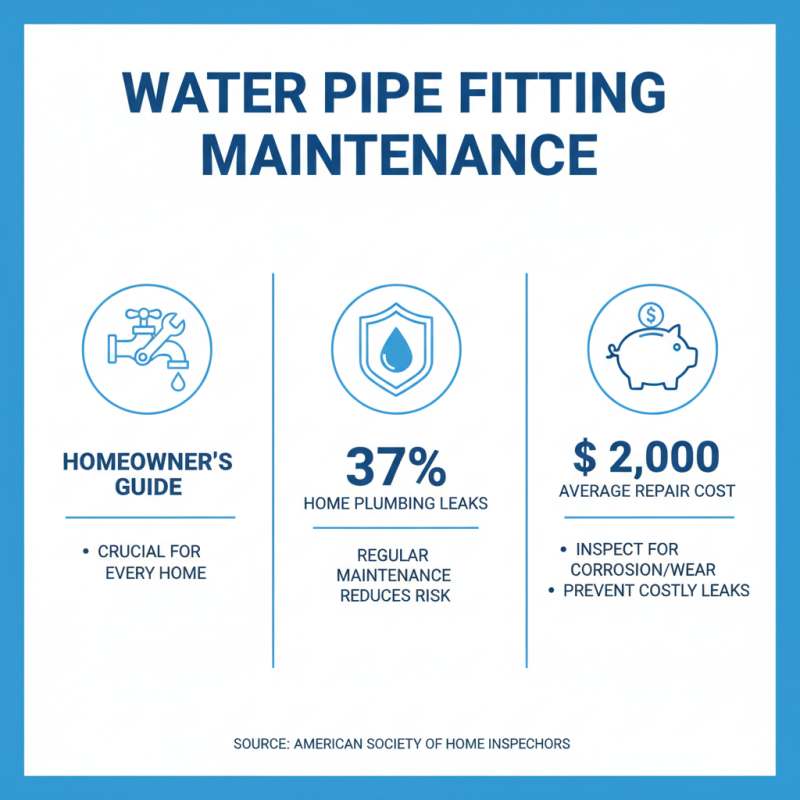
Maintaining water pipe fittings is crucial for every homeowner. According to the American Society of Home Inspectors, approximately 37% of homeowners reported issues with plumbing leaks. Regular maintenance can drastically reduce this risk. Homeowners should frequently inspect fittings for any signs of corrosion or wear. Rusty fittings can lead to leaks, costing homeowners an average of $2,000 in repairs per incident.
A small drip can evolve into a significant problem. Even minor leaks can waste up to 10,000 gallons of water annually. This not only inflates water bills but can also cause structural damage. Tightening loose connections and replacing worn washers can help maintain fittings. Sealing any visible gaps with appropriate sealants is essential too.
Ignoring these small repairs can lead to regrettable consequences. Homeowners might find themselves facing costly repairs if neglected. Regular inspections, at least twice a year, are recommended. Keeping a close eye on pipe insulation and overall conditions helps prevent disasters. Remember, proactive care today means fewer worries tomorrow.
Safety Considerations When Installing Water Pipe Fittings
When installing water pipe fittings, safety is crucial.
Always turn off the main water supply before starting any work. This small step can prevent a flood in your home.
Additionally, wear safety goggles to protect your eyes from debris. Proper tools are essential for a good fit.
Using the right tool lessens the risk of injury.
Tips: Make sure your workspace is dry and clutter-free. A tidy area reduces chances of accidents.
Keep tools organized and within reach. It helps maintain focus and safety during installation.
Proper sealing is another vital aspect. Poor seals can lead to leaks.
Testing the fittings after installation is important too. Check for water drips before covering everything up.
It’s easy to overlook this step, but leaks can cause significant damage over time.
Tips: Always refer to local guidelines for plumbing standards.
Regulations can vary and affect installation safety. Consider asking a professional if you feel uncertain about any step in the process.
Getting it right the first time saves money and frustration.