Why Are Valves Products Essential for Industrial Applications?
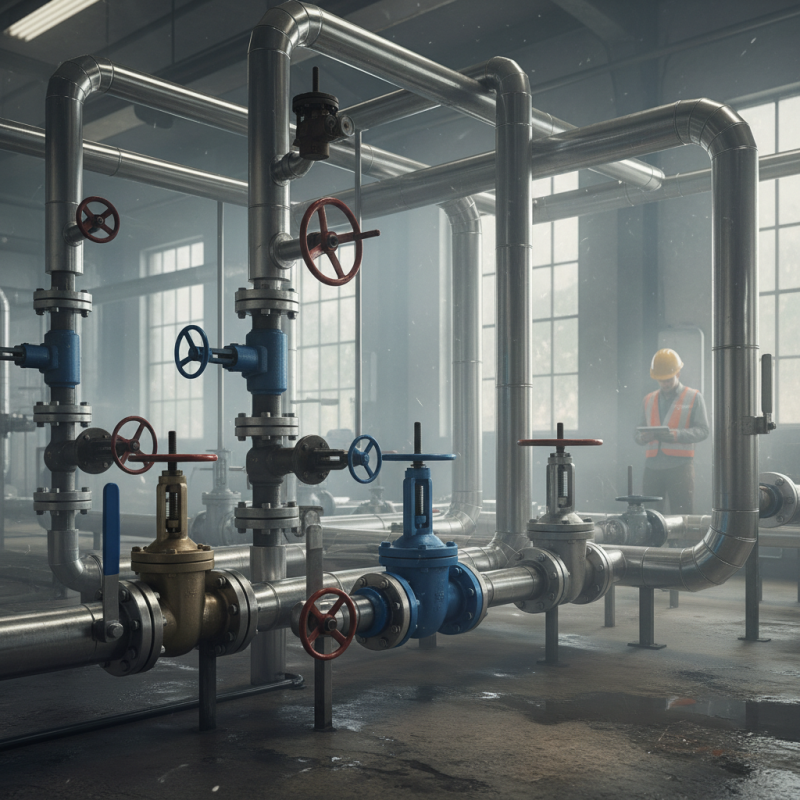
Valves products are vital in industrial settings. They control the flow of fluids and gases, ensuring systems run smoothly. Many industries, from oil and gas to pharmaceuticals, rely on these components. The reliability of valves can make or break operational efficiency.
Proper selection and installation of valves products can prevent costly failures. Yet, many overlook the importance of maintenance. Regular checks and replacements are essential. A small leak can lead to significant downtime and safety hazards.
Investing in high-quality valves pays off in the long run. Ignoring this aspect could lead to operational risks. Choosing the right valves is not just about cost; it's about performance. Understanding the function of each valve type leads to better outcomes.
Importance of Valves in Industrial Systems
Valves play a crucial role in industrial systems. They control the flow of liquids and gases through pipes. This control is essential for maintaining safe operations. Any malfunction in a valve can lead to severe consequences, including leaks and pressure loss. Therefore, regular inspection and maintenance are necessary to ensure their reliability.
In manufacturing processes, valves regulate temperatures and pressures. For instance, in steam systems, a valve can influence energy efficiency. However, not all valves are designed equally, and improper selection can lead to inefficiencies. A common mistake is underestimating the importance of choosing the right material. Corrosion resistance and pressure ratings must be considered.
Valves also contribute to system safety. They act as a barrier against hazardous substances. Proper valve function prevents accidents, protecting workers and the environment. Yet, many systems overlook the need for redundant safety features. Relying on a single valve can be risky, especially in critical applications. This is an area where industries often need to reflect and improve.
Types of Valves Used in Industrial Applications
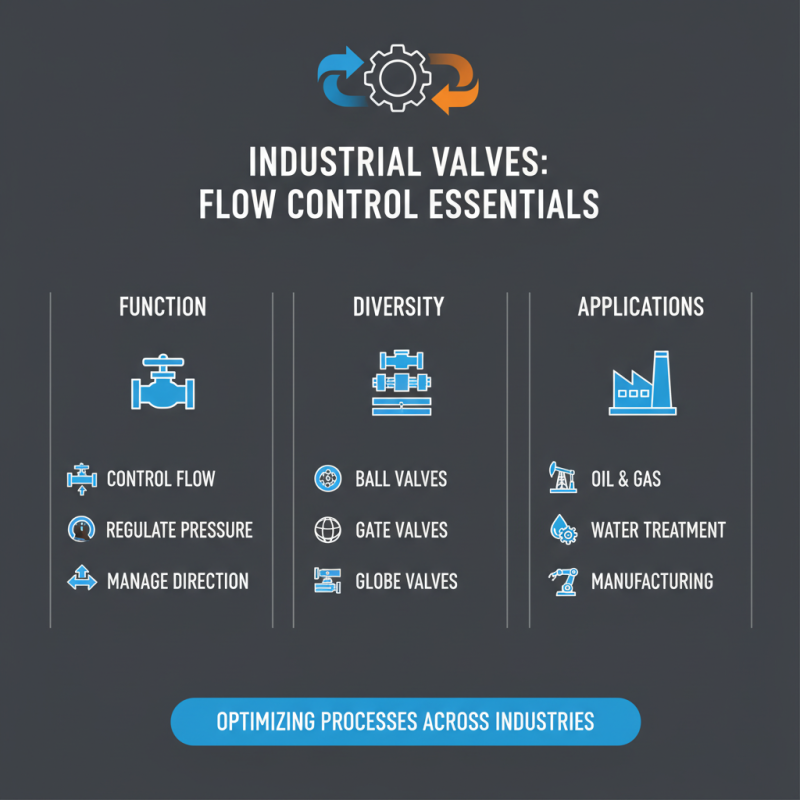
Valves are critical components in various industrial applications. They control the flow, pressure, and direction of fluids or gases. The diversity of valves is vital for optimizing processes in sectors like oil and gas, water treatment, and manufacturing.
Among the most common types of valves are gate valves, globe valves, ball valves, and check valves. Gate valves are preferred for on/off control. Globe valves excel in throttling services. Ball valves offer quick shut-off. Check valves prevent backflow, ensuring safety and efficiency. According to recent industry reports, the global valve market is projected to reach $100 billion by 2026, showcasing their importance.
A significant challenge in valve selection is understanding operational conditions. For instance, extreme temperatures and pressures can impact valve performance. Selecting the right valve type can significantly reduce downtime and maintenance costs. In many cases, industries may overlook the necessity of tailored solutions. This ignorance could lead to inefficiencies and increased operational risks. Attention to detail is paramount in valve application for maximizing productivity.
Role of Valves in Fluid and Gas Control Processes
Valves play a crucial role in industrial applications, particularly in fluid and gas control processes. These components manage the flow of fluids, ensuring efficiency and safety in various systems. In many industries, valves regulate pressure and maintain desired flow rates, directly impacting productivity. They can be found in water treatment plants, oil refineries, and even food processing facilities.
Proper valve selection is vital. A poorly chosen valve can lead to leaks or system failures. It is essential to understand the specific requirements of the application before making a decision. Consider factors like pressure, temperature, and fluid type. Inadequate attention to these details can result in costly downtimes.
Tips for effective valve usage include regular maintenance checks. Wear and tear can impact performance, so keeping an eye on valve conditions is beneficial. Additionally, ensure that installation follows proper guidelines. Incorrect installation can compromise function. Always have a qualified technician review your setup.
Innovations and Trends in Valve Technology for Industries
Valve technology is evolving rapidly. Innovations in this area are crucial for enhancing efficiency in various industries. Smart valves, for example, can monitor conditions in real-time. This allows for better control and reduces the risk of leaks. Industries that rely on precise pressure and flow management benefit greatly from these advancements.
One interesting trend is the integration of IoT in valve systems. With smart sensors, businesses can gather data on valve performance. This leads to predictive maintenance, helping to avoid unexpected downtimes. Imagine a factory that operates smoothly just because of updated valve systems. That's the power of technology at play.
Tip: Regular training for staff on new valve technologies is vital. This ensures they can operate and maintain these systems effectively. Investing in training can save costs in the long run.
Another trend is the use of sustainable materials in valve manufacturing. Companies are realizing that eco-friendly options can offer durability and efficiency. Using recyclable materials may align with corporate responsibility goals. However, the transition can be challenging. Testing is essential to ensure these materials meet industry standards.
Tip: Consider conducting thorough research before making material changes. This can help avoid complications in the manufacturing process. Balancing innovation with practicality is key.