What is a Wheel Hub Bearing Unit and How Does It Work?
wheel hub bearing units play a critical role in vehicle performance. These components help support the weight of the vehicle and allow for smooth wheel rotation. According to Dr. John H. Simmons, a leading expert in automotive engineering, "The efficiency of wheel hub bearing units greatly influences vehicle handling and safety."
Understanding how these units function is essential for both mechanics and car owners. They consist of multiple bearings arranged to facilitate rotation while minimizing friction. Over time, wear and tear from road conditions can affect their durability. Regular inspections are necessary to prevent unexpected failures and costly repairs.
Despite their importance, many car owners overlook wheel hub bearing units. This negligence can lead to severe consequences, like decreased performance or even accidents. It’s vital to recognize the value of maintaining these systems. Without proper care, what seems like a small issue can escalate into a significant problem.
What is a Wheel Hub Bearing Unit?
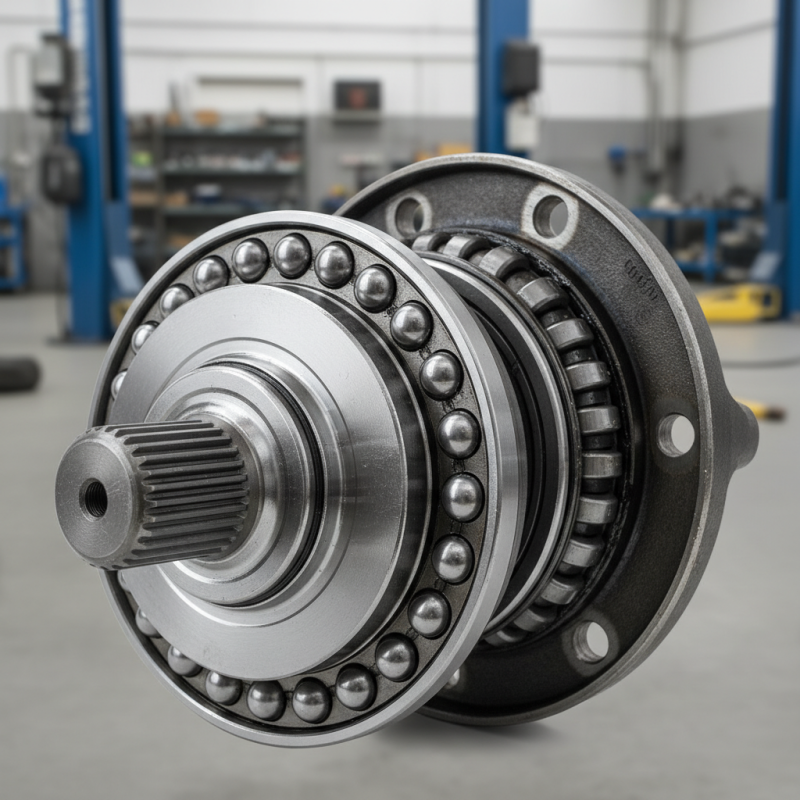
A wheel hub bearing unit is a crucial component in vehicle assembly. It integrates the wheel hub and bearing into a single unit. This design allows for a more compact structure and reduces weight. Studies indicate that modern vehicles can achieve up to 11% weight reduction through this integration.
The function of a wheel hub bearing unit is essential. It supports the weight of the vehicle while enabling smooth wheel rotation. This unit accommodates axial and radial loads. Many vehicles use sealed units, which require no maintenance, enhancing reliability. However, not all designs are perfect. Some units may face issues with heat buildup, leading to premature failure.
The lifespan of a wheel hub bearing unit typically ranges from 85,000 to 100,000 miles. Yet, maintenance neglect can drastically shorten this period. Real-world data suggests that about 12% of wheel bearings fail before reaching this mileage. Factors like driving conditions and installation errors can contribute to these failures. It's vital for vehicle owners to remain vigilant about their wheel hub bearing units to ensure safety and performance.
Wheel Hub Bearing Unit Performance Analysis
This bar chart illustrates the performance metrics of a wheel hub bearing unit, showcasing key aspects such as load capacity, vibration levels, operating temperature, and lifespan. Each metric provides insight into the bearing's reliability and efficiency during operation.
Components of a Wheel Hub Bearing Unit
A wheel hub bearing unit is vital for vehicle performance. It comprises several key components that ensure smooth functionality. The outer race provides a sturdy housing. Inside, you'll find rolling elements, often made of steel or ceramic. These elements reduce friction as the wheel turns. The inner race connects directly to the axle. It plays a critical role in maintaining alignment and supporting weight.
Seals are another essential feature. They protect the bearings from dirt and moisture, ensuring long life. According to industry reports, a properly maintained wheel hub bearing can last between 80,000 to 100,000 miles. However, if seals fail, the lifespan can drop drastically. Bearings may become noisy or develop play, signaling potential problems. Regular inspections can prevent severe wear and costly replacements.
Moreover, some units are pre-installed with grease. This feature saves time during vehicle assembly. However, over-greasing can lead to pressure build-up and damage. Balancing lubrication is crucial. Data indicates that improper installation accounts for about 15% of wheel bearing failures. This highlights the need for skilled technicians in vehicle maintenance. Proper knowledge of these components is essential for optimal vehicle safety and performance.
How Does a Wheel Hub Bearing Unit Function?
A wheel hub bearing unit is an essential component in modern vehicles. It connects the wheel to the axle and allows smooth rotation. The unit consists of inner and outer raceways, ball bearings, and seals. These parts work together to support the weight of the vehicle and reduce friction. As a wheel turns, the ball bearings roll within the raceways. This motion enables effortless spinning of the wheel, enhancing performance.
The functionality of a wheel hub bearing unit is based on a few key principles. When a car accelerates, the load shifts and affects how the bearings operate. Over time, these components can wear down. Dirt and moisture may also infiltrate the seals, leading to potential failures. Regular inspections can catch these issues early, but many drivers overlook this. Ignoring wear and tear can result in serious performance problems.
Understanding how a wheel hub bearing unit functions helps identify issues before they escalate. Road conditions, driving habits, and maintenance practices all play roles in their lifespan. Drivers should pay attention to unusual noises or handling problems. Small signs can indicate larger issues at play, requiring immediate attention. Recognizing these details fosters better vehicle care and ensures safer driving.
Signs of a Failing Wheel Hub Bearing Unit
A wheel hub bearing unit is crucial for vehicle safety. When it begins to fail, drivers may notice several signs. Common indicators include unusual noises while driving. A grinding or humming sound could suggest wear in the bearing.
Vibration during acceleration is another red flag. If the steering wheel shakes or feels loose, it might be time to inspect the bearings. Uneven tire wear may also occur, indicating a problem with the wheel hub assembly. Any of these issues can lead to more severe safety risks.
Ignoring these signs can lead to bigger problems. The longer you wait, the more costly the repairs may become. Regular inspections can help catch these issues early. Taking your vehicle for routine checks can save time and money in the long run. Keep an ear out for sounds and an eye on your tires. Stay proactive about your vehicle’s health.
Maintenance Tips for Wheel Hub Bearing Units
Maintaining wheel hub bearing units is crucial for vehicle safety and performance. Research indicates that approximately 30% of vehicle-related issues stem from wheel-bearing failures. Regular inspections can prevent costly repairs. Check for unusual noises. A grinding sound often signals a need for attention. It’s a clear sign that wear has occurred.
Lubrication is key. Many wheel hub bearings come pre-greased. However, over time, the grease can degrade. Replacing it at recommended intervals can extend the life of the bearings. It’s essential to use the right type of grease. Incorrect lubrication can lead to overheating and failure.
Monitoring for vibrations is another important aspect. Even slight vibrations can indicate a problem. If unnoticed, they can escalate into major issues. This aspect shows the importance of routine checks. Neglecting small signs can lead to bigger problems, leaving motorists stranded. Being aware of these tips can lead to better maintenance outcomes.