Why Buy a Level 3 EV Charger for Your Business?
A Level 3 Ev Charger can make a business location more useful to drivers who cannot wait hours to recharge. Often called a DC fast charger, it can add substantial range during a brief stop. Actual charging speed depends on the vehicle, battery condition, charger output, and available electrical capacity. It is not a magic button.
For a busy fleet depot, fast charging may help keep vans moving between shifts. At a roadside business, it can give customers a reason to stop, buy a meal, or use nearby services. Picture a driver arriving with a low battery and leaving after a short break. Speed matters. But demand matters more. A charger that sits unused may not justify its installation and operating costs.
Before investing, businesses should review expected traffic, utility capacity, installation needs, maintenance, and pricing options. A qualified electrical professional can assess whether the site is ready and identify possible upgrades. It is also worth checking how drivers will pay and whether the charger can work with existing systems. These details are easy to overlook when the headline promise is fast charging.
A Level 3 Ev Charger may be a strong fit for high-turnover locations, commercial fleets, and travel corridors. It may be excessive for a small office with cars parked all day. I would be cautious about assuming that faster always means better. The right choice depends on real usage, not just impressive specifications. Planning carefully can turn charging equipment into a useful business asset, rather than an expensive feature people rarely use.
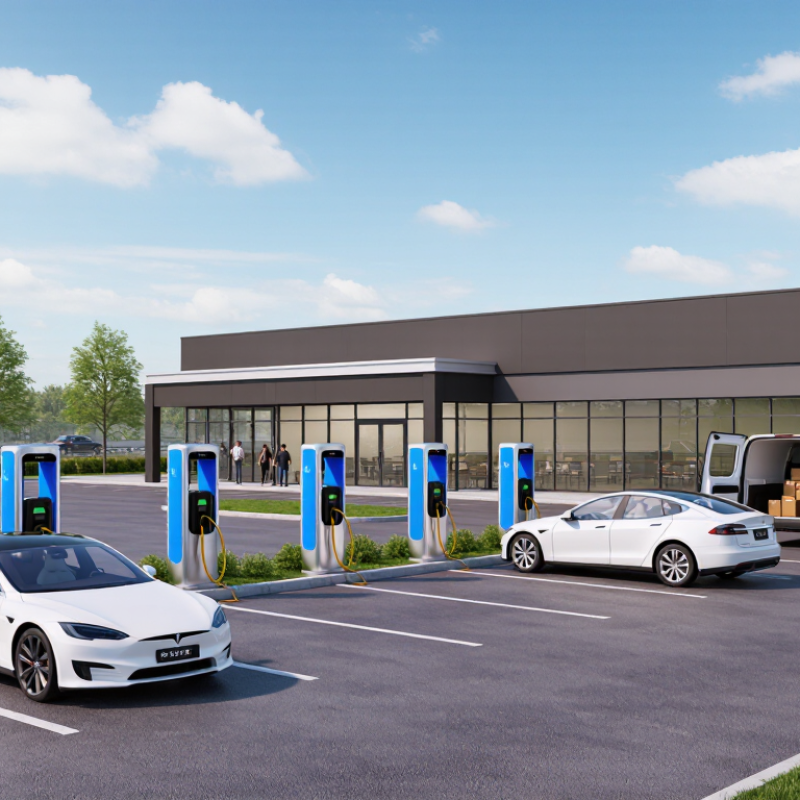
What Defines a Level 3 EV Charger?
A Level 3 EV charger, commonly called a DC fast charger, sends direct current to a vehicle’s battery. Its power electronics convert incoming grid electricity into DC before it reaches the car. This differs from Level 2 charging, where the vehicle’s onboard charger converts AC power. The distinction matters. A driver stopping briefly between appointments may gain useful range much faster with DC charging than with a typical overnight setup.
“Level 3” is a broad label, not a promise of one charging speed. Output varies by charger, vehicle, battery temperature, and state of charge. A car may accept high power when its battery is low, then slow down as it fills. Connector compatibility matters too, so businesses should check which vehicles their customers or fleets use. The site needs enough electrical capacity, suitable cabling, and space for safe vehicle access. For example, a busy roadside location may value rapid turnover, while an office with long parking times may not need the same equipment. The label can be confusing; real charging performance depends on the whole system.
Why Buy a Level 3 EV Charger for Your Business?
What defines a Level 3 charger? It is a DC fast charger designed to deliver substantially more power than Level 1 or Level 2 equipment.
Business takeaway: Higher charging power can help vehicles recharge and return to service sooner, making Level 3 a potential fit for high-turnover sites and commercial fleets. Installation costs, electrical capacity, vehicle compatibility, and charging demand should also factor into the decision.
Illustrative representative power ratings: actual output varies by charger, vehicle, and site. “Level 3” is commonly used in North America to refer to DC fast charging; terminology and ratings can vary.
How Businesses Use Level 3 Charging
Businesses use Level 3 charging where vehicles need to return to work quickly. A delivery van can top up during a scheduled lunch break; a hotel can offer drivers a faster stop than standard workplace charging. At busy retail sites, shorter charging sessions may also bring customers through the door. The fit depends on dwell time, electrical capacity, and local demand.
The International Energy Agency’s Global EV Outlook 2024 reports that public fast-charging points grew by 55% worldwide in 2023. That growth signals rising demand, but it does not guarantee a charger will pay off at every site. A charger serving a steady fleet may be easier to plan for than one relying on occasional visitors. Look closely at vehicle charging limits, peak-hour queues, installation costs, and how long drivers actually stay. The awkward part? Usage can be uneven, especially early on.
Tips: Track arrivals and parking times before choosing a site. Leave room for accessible parking and clear cable routes. Check the vehicle mix, too. A high-power unit may deliver less value if the vehicles cannot accept that power. That is easy to overlook.
Which Business Benefits Can Fast Charging Provide?
A Level 3 charger can help businesses serve drivers who cannot stay long. A customer may plug in during a quick meal, while a delivery van charges between routes. Less waiting can mean more useful time on site. That matters at busy retail locations, service hubs, and fleet depots.
Fast charging may also attract new visitors. Drivers often choose stops where charging fits their schedule, giving nearby shops a chance to earn additional visits. For fleet managers, faster turnaround can keep more vehicles available during a workday. Staff can monitor charging sessions and plan departures around actual vehicle needs. Small details help, like clear parking signs and chargers near a well-lit entrance.
The benefits depend on the site. Electrical upgrades, peak-demand charges, and equipment maintenance can make operating costs higher than expected. It is not a magic fix. A business should review local utility capacity, driver dwell times, and vehicle compatibility before choosing a charger. Some locations may find that a mix of slower and faster chargers works better. Honestly, forecasts can miss real charging patterns, so tracking usage after installation matters. A few months of session data can reveal whether chargers are supporting customers, employees, or fleet operations most effectively.
What Costs and Site Requirements Should Businesses Assess?
A Level 3 charger can serve drivers who need a quick stop, but the purchase price is only part of the budget. Include electrical upgrades, installation, trenching, permits, network fees, and ongoing maintenance in your estimate. The utility connection may be the biggest unknown. A site with limited power could need costly upgrades before a charger can operate reliably. Ask the utility about available capacity and connection timelines before committing to equipment.
Tips: Check demand charges, not just the cost per kilowatt-hour. Measure the distance from the electrical service to each proposed parking space; longer cable runs and pavement work can raise installation costs. Leave room for accessible parking and safe vehicle circulation. Measure twice.
Review the site’s power capacity, drainage, lighting, and cellular reception. DC fast chargers need dependable power, and poor reception can complicate payment or remote monitoring. Compare projected charging demand with the number of plugs; low use can make operating costs hard to recover. High use may create queues. Estimates can look precise while overlooking construction surprises, so keep a contingency budget and ask for a site assessment from a qualified electrical professional. A busy location is not automatically a suitable one.
How to Plan and Operate a Level 3 Charging Site
Planning a Level 3 charging site starts with drivers, not equipment. Observe traffic patterns, nearby destinations, and how long visitors typically stay. A highway stop may need several high-power connectors and clear queue space. A workplace site may need fewer, with predictable daytime demand. Plan for queues. A charger blocked by a delivery van is unavailable, even when it works perfectly.
Check electrical capacity before finalizing the layout. A qualified electrical professional can assess service capacity, equipment placement, cable routes, drainage, and protection from vehicle impacts. Coordinate early with the local utility; upgrades can affect both schedule and cost. Estimate power demand using realistic usage scenarios, not peak hopes. Fast charging can create significant energy costs, and demand charges may influence pricing and operating hours. Confirm the assumptions with current utility rates.
Day-to-day reliability depends on simple routines. Inspect connectors and cables, keep stalls visibly marked, and monitor outages and session failures. Provide clear instructions for payment and support, including a phone number drivers can reach. Track utilization by time of day, then adjust staffing, maintenance windows, or pricing where appropriate. The first layout may look tidy on paper, yet prove awkward when cars arrive together. Leave room to learn and revise.