In 2026, choosing fittings and valves is not simply a matter of comparing prices or brand names. Global buyers need components that match their operating conditions, documentation requirements, and maintenance plans. A valve selected for clean water may not suit a corrosive process line. Small mismatches can lead to leaks, downtime, or costly replacement.
This guide examines practical options for buyers across industrial, commercial, and infrastructure markets. It considers material selection, pressure and temperature ratings, connection types, flow requirements, and compatibility with the process medium. For example, stainless steel may be appropriate in some corrosive environments, while other applications call for different alloys or sealing materials. Always confirm technical data against the actual service conditions. Details matter.
Supplier evaluation also deserves close attention. Buyers can review product drawings, test reports, material traceability, warranty terms, and the availability of replacement parts. Certificates should be checked for scope and relevance, rather than accepted at face value. Lead times and inspection access can matter as much as a competitive quotation, especially when projects run on fixed schedules.
No single product list can fit every plant or region. Even a reputable supplier may offer a component that is wrong for a specific duty. This overview aims to help buyers ask sharper questions, compare options fairly, and identify claims that need verification before purchase.
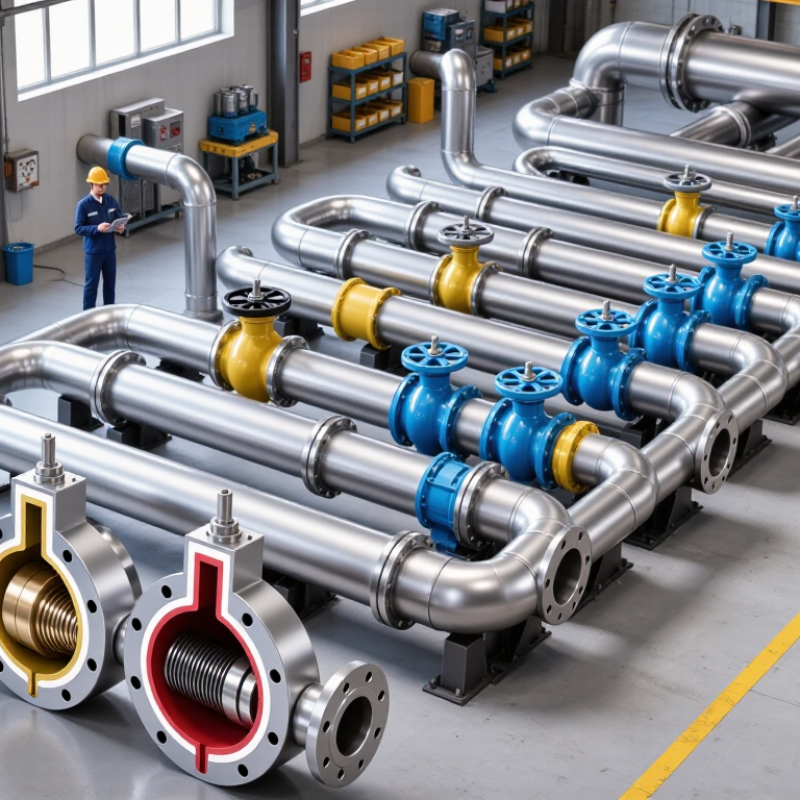
In a fluid system, fittings connect pipes, change direction, create branches, and adapt between sizes. Valves control flow, isolate equipment, or prevent reverse movement. A leaking union near a pump can leave a wet patch on the floor; a poorly sized valve can restrict flow and increase pressure loss. Small parts. Large consequences. Materials, pressure ratings, temperature limits, and fluid compatibility all matter. A specification that looks sound on paper still needs checking against actual operating conditions.
The U.S. Department of Energy’s Improving Pumping System Performance sourcebook reports that pumping systems use nearly 20% of global electrical energy, and 25–50% of energy in some industrial operations. Fittings and valves are only part of that picture, but poor sizing, leakage, and unnecessary throttling can add avoidable losses.
The Department’s Improving Compressed Air System Performance sourcebook estimates that leaks can waste 20–30% of compressor output in typical systems. That figure is a useful warning, not a promise of savings from replacing components alone.
For buyers, comparing connection type and pressure rating is a start; reviewing maintenance access and inspecting installed joints matters too. Even careful selection cannot compensate for poor installation.
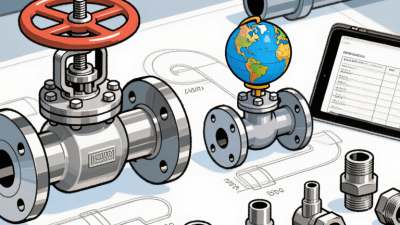
Fittings and valves may sit side by side on a pipe rack, but they do different jobs. Fittings connect sections, change direction, reduce diameter, or create branches. Elbows turn a line; tees split it; reducers join pipes of different sizes. Valves control, stop, or redirect flow. That’s the split.
Valve type matters too. A ball valve typically provides quick shutoff with a quarter-turn handle, while a globe valve is designed for more controlled throttling. Gate valves are commonly used for on-off service, and check valves help prevent reverse flow without manual operation. At a pump skid, the elbow may clear a support bracket, while the nearby isolation valve lets a technician separate equipment for maintenance. Small layout choices matter.
Market context is useful, but it cannot choose a component for a specific system. Grand View Research estimated the global industrial valves market at USD 78.7 billion in 2023, with a projected 4.3% compound annual growth rate from 2024 to 2030. That figure signals broad demand, not a design rule. Buyers still need to check pressure, temperature, fluid compatibility, connection method, and applicable specifications. A catalog label alone is not enough. This distinction sounds tidy; actual layouts often are not.
Material choice begins with the fluid, temperature, and pressure—not the catalogue description. Stainless steel can resist many corrosive environments, while carbon steel is common in suitable water and process systems. Brass may suit some low-pressure services, but it is not appropriate for every fluid. Check chemical compatibility carefully. A small mismatch can shorten service life.
Standards help buyers compare dimensions, pressure classes, materials, and testing requirements. ASTM specifications often identify material grades; ASME standards cover many piping components, while ISO and EN standards appear across diverse markets. These systems are not automatically interchangeable. A flange that fits physically may still differ in drilling, rating, or documentation. Verify the exact standard, edition, and connection type before ordering.
Ask for traceable material certificates and inspection records, then compare them with the project specification. For example, a valve installed outdoors near salt spray may need different material protection than one in a clean indoor water line. Local requirements and owner specifications can add another layer. Even experienced teams can miss a detail when schedules are tight; a clear datasheet review is worth the extra time.
2026 Best Fittings and Valves for Global Buyers?
How to Match Products to Pressure, Media, and Conditions
A dependable fitting or valve must suit the actual operating conditions, not just the pipe size. Check working pressure and temperature together; a component’s pressure rating may decrease as temperature rises. Also consider pressure spikes during startup or pump shutdown. These can exceed normal readings. Small details matter. Confirm connection type, dimensions, and sealing method before ordering, especially when equipment comes from different suppliers.
Media compatibility needs equal attention. Water, steam, oils, and mildly corrosive fluids can affect metals and seals differently. Compare the fluid’s composition and temperature with material compatibility data. For abrasive or viscous media, check whether internal passages and valve design can handle solids or restricted flow. A general compatibility chart is useful, but it may not cover every concentration or operating cycle. When conditions are uncertain, ask a qualified supplier or engineer to review the specifications.
Tips: Share pressure range, temperature, media, flow needs, and connection details with your supplier. Include cleaning chemicals and outdoor exposure. Keep a small margin for operating changes, but avoid oversizing without checking control requirements.
| Service and Operating Conditions | Suitable Fitting Types | Suitable Valve Types | Common Material Options | Pressure and Temperature Selection | Key Checks Before Ordering |
|---|---|---|---|---|---|
| General water service; moderate temperatures; clean or treated water | Threaded, press, grooved, or flanged fittings, selected for the piping system | Ball valves for isolation; gate valves for low-restriction on/off service; check valves for backflow prevention | Brass, carbon steel, 304 or 316 stainless steel; approved plastics where the system design allows | Use the pressure–temperature rating for the exact material, size, connection, and applicable standard. Ratings can decrease as temperature rises. | Confirm water chemistry, corrosion risk, potable-water approvals where required, and compatibility between pipe, fitting, and valve materials. |
| Compressed air; dry or lubricated air; industrial plant systems | Threaded, compression, or push-to-connect fittings designed for pneumatic service | Ball valves for line isolation; solenoid valves for automated control; check valves where reverse flow must be limited | Brass, anodized aluminum, or stainless steel; seals selected for the air and lubricant conditions | Follow the component maker’s rated working pressure and temperature. Do not infer a fitting’s rating from the pipe or tube alone. | Check air quality, vibration, tube material and outside diameter, seal compatibility, and local rules. Do not use ordinary PVC piping for compressed gas. |
| Hydraulic oil; high-pressure machinery; shock or cyclic loading | Hydraulic tube fittings, flared or cone-and-thread connections, and rated adapters matched to the tube system | Pressure-rated ball, needle, or directional control valves selected for the circuit function | Carbon steel is common; stainless steel may be appropriate for corrosive environments. Seal material must suit the fluid and temperature. | Determine the allowable working pressure from the complete assembly, including tube size, wall thickness, material, fitting series, and operating conditions. | Account for pressure surges, fatigue, vibration, bend radius, cleanliness, and correct assembly procedure. Never mix visually similar fitting systems without verification. |
| Steam or high-temperature condensate; elevated temperature and thermal cycling | Forged or butt-weld fittings, or flanged connections selected for the piping design and service | Globe valves for throttling; gate or ball valves for suitable isolation duties; steam traps for condensate removal | Carbon steel or alloy steel, subject to the steam conditions and applicable piping code | Select from the applicable pressure–temperature tables for the exact material and class. A nominal class designation alone does not establish the allowable pressure at every temperature. | Check thermal expansion, water hammer, insulation, condensate management, end connections, and code requirements for the installation. |
| Corrosive chemicals; compatibility varies with concentration, temperature, and exposure time | Flanged, threaded, or welded fittings in a material verified for the specific chemical | Diaphragm, lined, ball, or plug valves, depending on chemical compatibility and control needs | 316 stainless steel, suitable nickel alloys, PTFE-lined components, or compatible thermoplastics such as PVDF or CPVC | Use the pressure and temperature limits for the complete product. Plastic and lined components may require significant derating at higher temperatures. | Verify chemical concentration, impurities, permeation, stress cracking, seals, and cleaning agents against a current compatibility reference and supplier data. |
| Natural gas or fuel gas; regulated distribution or equipment connections | Code-compliant threaded, welded, or flanged fittings appropriate to the system and jurisdiction | Gas-service ball, plug, or control valves with the required approvals for the intended application | Carbon steel, ductile iron, brass, or stainless steel, as permitted by the design and local regulations | Use the system design pressure and the product’s approved gas-service rating; requirements differ by jurisdiction and application. | Confirm gas type, required certifications, joining method, leak-testing procedure, ventilation, and applicable installation codes. |
| Seawater or chloride-bearing cooling water; risk of pitting and crevice corrosion | Flanged or welded fittings in a material selected for chloride exposure; avoid unverified material substitutions | Butterfly, ball, or gate valves selected for flow, isolation, and corrosion requirements | Duplex stainless steel, suitable copper alloys, or engineered plastics, depending on velocity and exposure | Check pressure rating alongside corrosion allowance, temperature, flow velocity, and any applicable derating. | Assess galvanic coupling, biofouling, erosion, stagnant zones, and seawater chemistry. Material suitability depends on the complete service environment. |
| Food, beverage, or hygienic processing; frequent cleaning or sterilization | Sanitary clamp, butt-weld, or hygienic flange fittings with cleanable internal surfaces | Sanitary diaphragm or hygienic ball valves selected for the process and cleaning method | 316L stainless steel is common; elastomers must be compatible with product contact and cleaning chemicals | Verify pressure and temperature limits for both normal operation and cleaning or sterilization cycles. | Specify surface finish, drainability, dead-leg control, product-contact documentation, and applicable hygienic design requirements. |
Selection note: Pressure ratings are not interchangeable across materials, sizes, connection types, or standards. Confirm the current product datasheet, applicable pressure–temperature tables, local codes, and the requirements of the complete piping assembly before purchase.
When comparing fittings and valves, start with the operating conditions, not the catalogue photos. Record the medium, pressure range, temperature, connection type, and expected service life. A valve suited to clean water may not suit a process with abrasive particles. Details matter. Ask each supplier to confirm material grades and dimensional tolerances in writing.
Request drawings, inspection records, and traceable material certificates for the items being quoted. Check that document numbers match the product labels and shipment paperwork. For a sample fitting, measure key dimensions with a caliper and inspect threads, sealing faces, and surface finish under good light. Ask how pressure testing is performed and whether results can be linked to the production batch. A certificate alone is not proof that every item is consistent.
Compare lead times, packaging, replacement procedures, and responses to technical questions alongside price. Clear, specific answers can reveal more than polished sales language. If possible, review a sample before approving a larger order, then agree on inspection points and acceptance criteria. Still, a sample cannot guarantee every later batch. I would treat supplier selection as an ongoing check, not a one-time decision.
Minimum tensile strength requirements for selected ASTM materials commonly used in fittings, flanges, and valves.
ASTM A105, A216 WCB, and A350 LF2 Class 1 specify a minimum tensile strength of approximately 485 MPa; ASTM A182 F316 specifies approximately 515 MPa. Values are converted from standard minimums and are material benchmarks—not a measure of supplier quality. Confirm the applicable standard edition, product form, grade, and project requirements, and review material test reports, heat traceability, inspection records, and pressure-test documentation.