10 Best Hose Fittings for Every Gardening and Plumbing Need?
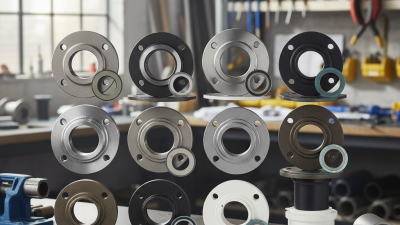
When it comes to gardening and plumbing, hose fittings play a crucial role. These small yet essential components ensure the efficiency of water flow. A quality hose fitting can make all the difference in your projects. They connect hoses to various tools, allowing for seamless operation.
Choosing the right hose fittings can be overwhelming. With so many materials and types available, it’s easy to feel lost. Plastic, brass, and stainless steel options each have unique benefits. For instance, brass fittings are known for their durability, while plastic ones are lightweight and affordable. However, the choice often boils down to personal preference and specific needs.
Understanding the features of hose fittings is vital for success. A fitting that leaks or breaks can ruin your gardening or plumbing efforts. It's essential to select fittings that offer reliability. This guide aims to ease your selection process by highlighting ten of the best hose fittings available. Dive in to find the right solutions for your gardening and plumbing needs.
Overview of Hose Fittings and Their Importance in Gardening and Plumbing
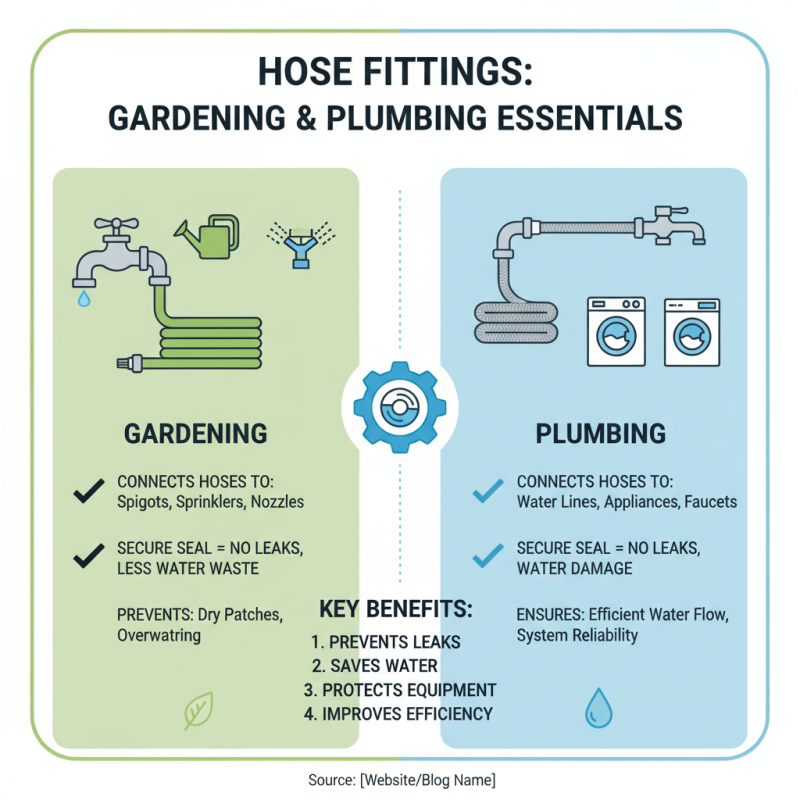
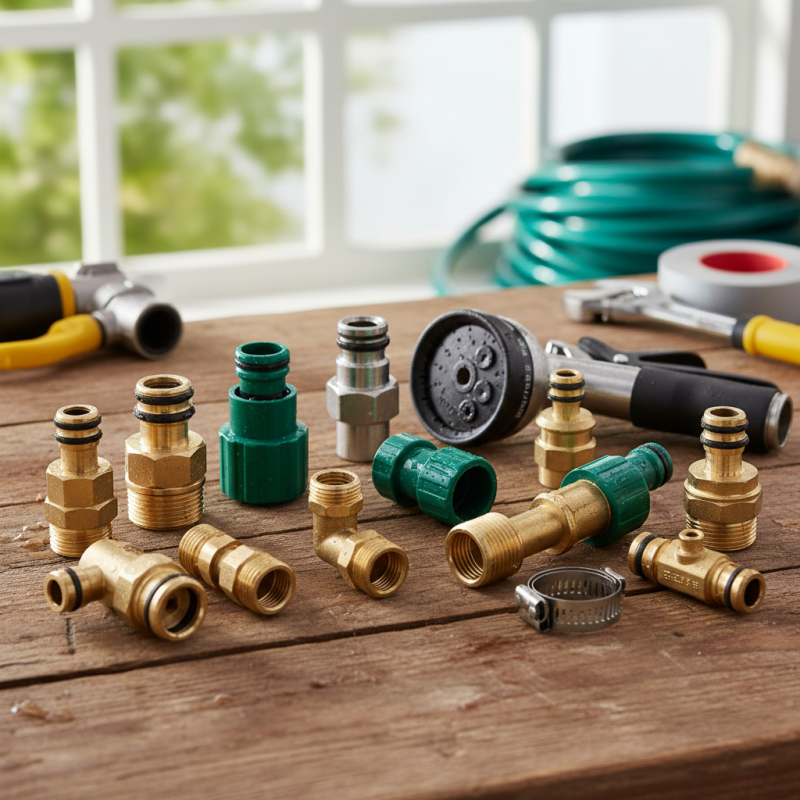
Hose fittings serve a vital role in both gardening and plumbing. They connect hoses to spigots, sprinklers, and other equipment. The right fitting ensures a secure seal, preventing leaks and water loss. In a garden, this is crucial. A broken connection can lead to dry patches or overwatering.
Choosing the appropriate fitting type is essential for efficiency. Materials can vary from plastic to metal, each with its strengths and weaknesses. Metal fittings tend to be more durable but are often heavier. Plastic options are lightweight and easy to handle. However, they can crack under pressure or extreme temperatures. Evaluating the needs of your specific task helps to determine the best choice.
Installation can present challenges. Improperly fitted connections may lead to frustrating leaks. It’s important to apply the right amount of pressure when tightening. An inexperienced user might over-tighten and damage threads. Experimenting with different fittings may provide insight into ease of use and reliability. Through trial and reflection, one can find the perfect match for any gardening or plumbing project.
Types of Hose Fittings: A Breakdown of Common Styles and Uses
When it comes to gardening and plumbing, selecting the right hose fittings is crucial. Understanding the types and styles can make a significant difference in efficiency. Common types include threaded fittings, quick connectors, and barbed fittings. Each serves a specific purpose and fits different systems.
Threaded fittings are often used for permanent connections in plumbing. They create a tight seal, reducing leaks. Quick connectors allow for easy assembly and disassembly. These are ideal for garden hoses that need to be connected and disconnected frequently. Barbed fittings work well with rubber hoses, providing a secure fit that minimizes flow loss.
Tips: Always assess the size of your hoses. Using mismatched sizes leads to leaks. Ensure you select fittings made from durable materials. Brass and stainless steel are excellent choices, as they resist corrosion. A recent industry report highlighted that over 30% of amateur gardeners face issues due to improper fittings. It is easy to overlook these details.
In plumbing, proper fittings account for about 15% of overall system failures. Regular maintenance can extend their lifespan, but many overlook this step. Regularly inspecting connections can prevent leaks and save water. Consider the type of project you're undertaking when choosing fittings. Each connector has a unique role to play.
Key Factors to Consider When Choosing Hose Fittings for Your Needs
Choosing the right hose fittings is essential for both gardening and plumbing tasks. Understanding your specific needs is the first step. According to industry research, around 75% of garden enthusiasts face issues related to improper fittings. This leads to water wastage and inefficient watering systems.
It’s vital to consider the material of the fittings. Brass, plastic, and aluminum are common choices. While brass offers durability, plastic is often lighter and resistant to corrosion. However, plastic might degrade faster under UV light exposure. Research shows that fittings made from solid materials can last up to five times longer than their cheaper counterparts.
Another key factor is the fitting size. A snug fit is crucial to prevent leaks. Many users overlook this detail, resulting in frustrating leaks and reduced water pressure. The industry indicates that approximately 30% of household water is lost through leaks. A proper fit can help mitigate this significant waste, making both gardening and plumbing tasks more efficient. Reflecting on these insights can lead to better choices for your specific needs.
10 Best Hose Fittings for Every Gardening and Plumbing Need
| Type of Fitting |
Material |
Size |
Connection Type |
Best Use |
| Hose Connector |
Plastic |
3/4 inch |
Threaded |
General gardening |
| Reducer |
Brass |
1 inch to 3/4 inch |
Slip |
Watering plants |
| Quick Connect |
Aluminum |
3/4 inch |
Push-fit |
Fast connections |
| Hose Cap |
Plastic |
3/4 inch |
Threaded |
End of hose |
| Y-Connector |
Nylon |
3/4 inch |
Threaded |
Multiple hoses |
| Hose Reel Adapter |
Brass |
3/4 inch |
Screw-on |
Water storage |
| Hose Clamp |
Stainless Steel |
Applicable to various sizes |
Clamp |
Secure connections |
| Tap Adapter |
Plastic |
3/4 inch |
Threaded |
Connecting to tap |
| Sprinkler Adapter |
Plastic |
3/4 inch |
Push-fit |
Sprinkler systems |
Top 10 Hose Fittings Reviewed: Performance, Durability, and Value
When selecting hose fittings, performance and durability are essential. A recent industry report highlighted that users prioritize reliable materials, such as brass and stainless steel, for longevity. These materials resist rust and provide a secure connection. However, not all fittings meet these standards. Some lower-quality options degrade quickly, leading to leaks and wasted water.
One tip: consider the threading type. Different hoses may require specific threads for a proper fit. Ensure compatibility to avoid frustration during your garden or plumbing tasks. Regularly inspecting your fittings can prevent unexpected leaks, which can waste both water and money.
Value is another crucial aspect. Many premium fittings offer warranties, indicating the manufacturer’s confidence in their product. Research shows that investing in slightly more expensive options often proves cost-effective in the long run. Budget-conscious consumers might overlook this initial investment for long-term savings. Consider your needs, and choose wisely.
Maintenance Tips for Extending the Life of Your Hose Fittings
Maintaining hose fittings is essential for longevity. Regular inspection can prevent leaks and damage. Check for wear and tear on the fittings. Look for signs of rust or corrosion. If you notice any issues, replace them promptly. A small problem can quickly become a bigger one if ignored.
Cleaning hose fittings is equally important. Rinse them after use to remove dirt and debris. This prevents buildup that can hinder functionality. Dry them thoroughly before storage to avoid rust. Consider using a lubricant on the threads to ensure a tight seal. Over time, this simple practice can save money and frustration.
Proper storage is crucial too. Avoid storing hoses in direct sunlight as this can weaken the materials. Use hooks or reels to keep hoses off the ground. This helps prevent kinks and maintains the shape of the fittings. Reflect on your habits regularly. Small changes can lead to significant improvements in performance. Each step contributes to extending the life of your hose fittings.
10 Best Hose Fittings for Every Gardening and Plumbing Need