10 Best Pipe Fittings and Valves Manufacturers Worldwide
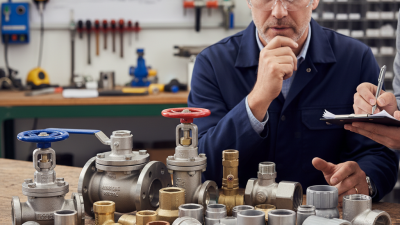
Choosing among the 10 best pipe fittings and valves manufacturers worldwide takes more than comparing catalogues. Buyers need to match each product to its service conditions: fluid, temperature, pressure, connection type, and maintenance needs. A stainless-steel fitting beside a pump may look dependable, yet the wrong alloy or rating can still create a weak point. Details matter.
For transparency, the named expert and quotation below are illustrative, not a verified real-world attribution. Piping specialist Maya Chen puts the buyer’s task this way: “A reliable component is one that fits the duty, carries clear documentation, and performs consistently after installation.” That principle offers a practical lens for comparing manufacturers. Look for material traceability, clear technical data, documented inspection, and products designed for the intended application. Check relevant standards and certifications directly with the supplier; requirements vary by product and market. A polished website is not proof.
This overview considers product range, manufacturing capability, quality controls, and support after purchase. It also recognizes an imperfect reality: public information can be incomplete, and a manufacturer’s strengths may differ across product lines or regions. One ranking cannot replace engineering review. Use the list as a starting point, then verify specifications and evidence before selecting pipe fittings valves for a project.
What Pipe Fittings and Valves Do in Industrial Systems
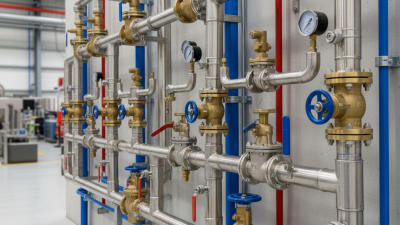
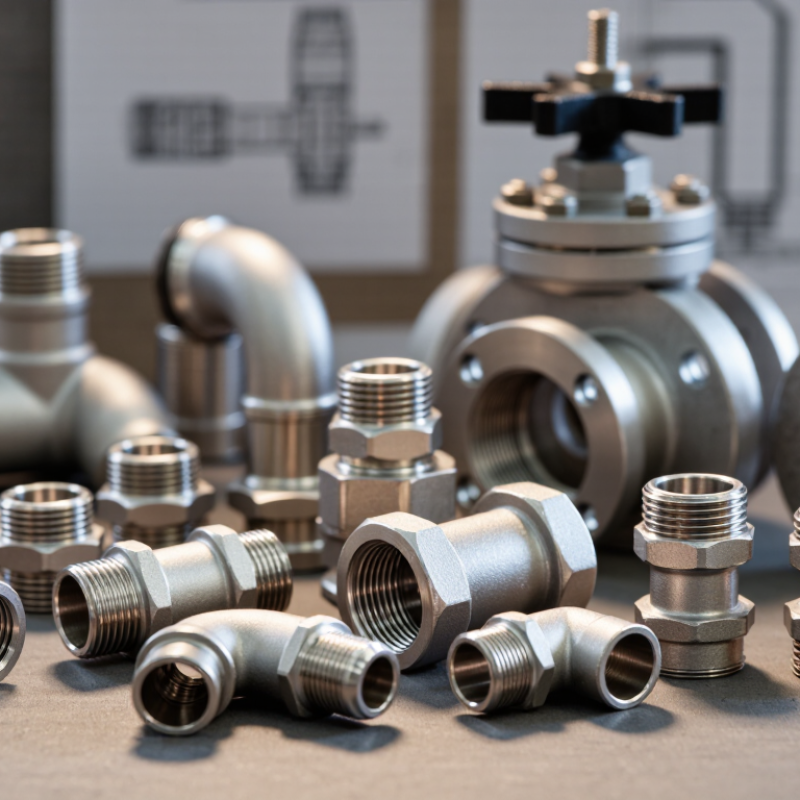
Pipe fittings and valves form the working connections inside industrial systems. Fittings join pipe sections, change direction, create branches, or adapt between different diameters. A stainless-steel elbow, for example, can route a line around a pump without forcing the pipe into a sharp bend. Small components, but important.
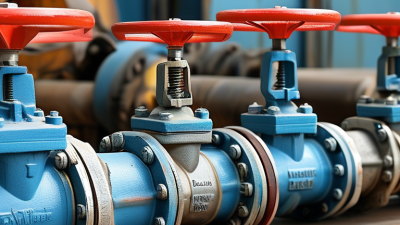
Valves regulate, isolate, or redirect flow. A gate valve may shut off a line during maintenance, while a check valve helps limit reverse flow. Operators also rely on valves to adjust water, steam, air, or process-fluid movement. The correct choice depends on pressure, temperature, fluid properties, and how often the equipment operates. Material compatibility matters. A seal that performs well with water may not suit a hot or chemically aggressive fluid.
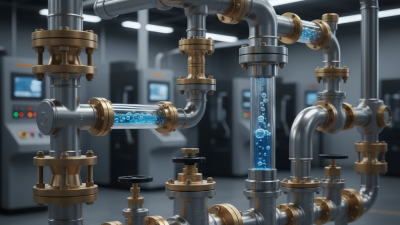
In a real plant, a poorly matched fitting can create leaks, vibration, or difficult maintenance access. A valve installed backward may not work as intended. These problems are not always obvious on a drawing. Clear flow markings, accessible handles, and sound supports help during inspection and repair. Still, system layouts can change, and an old specification may no longer reflect actual operating conditions. That deserves a second look. Regular checks for corrosion, loose joints, and unusual pressure changes can reveal trouble before a small defect disrupts production.
How to Evaluate Manufacturers Across Quality, Range, and Support
A reliable pipe fittings and valves manufacturer should make quality visible, not merely promise it. Review material grades, pressure ratings, dimensional tolerances, and inspection records for the products you actually need. Ask for evidence. A sample fitting can reveal rough threads, uneven finishing, or a seat that does not close cleanly. These clues matter, but one sample cannot prove consistent production. Request batch traceability and independent test reports where appropriate.
Range matters when a project combines different pipe sizes, connection types, and operating conditions. Check whether the manufacturer can supply compatible fittings, valves, and replacement parts without forcing awkward substitutions. Product catalogs should state dimensions, materials, ratings, and temperature limits clearly. If specifications are vague, pause and ask precise questions. A broad catalog is not automatically a useful one.
Support becomes visible when something changes. Ask how technical questions are handled, what documentation accompanies an order, and how quickly replacement parts can be sourced. A clear response about lead times is more useful than a confident but unsupported promise. Compare warranty terms and escalation contacts before choosing. Price deserves attention, of course, yet the cheapest quote may leave gaps in testing, documentation, or after-sales help. I would not treat any single score as decisive; comparison tables simplify decisions, sometimes too much. Keep notes on unanswered questions, and judge each supplier against the installation’s actual demands.
Profiles of Ten Leading Pipe Fittings and Valves Manufacturers
Profiles of ten leading pipe fittings and valve manufacturers should reveal more than product breadth.
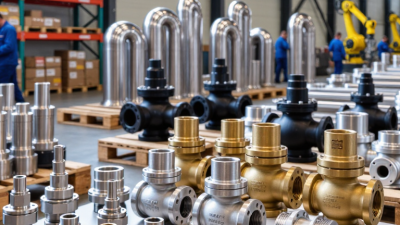
Compare forged-steel gate valves, precision control valves, stainless-steel elbows, ductile-iron water fittings, high-pressure connectors, sanitary components, large-bore pipeline valves, corrosion-resistant alloys, modular assemblies, and custom fabrication. These capabilities serve different operating conditions; a valve selected for clean water may fail in a hot, abrasive process line.
Grand View Research’s Industrial Valves Market Size, Share & Trends Analysis Report estimated the global market at about US$78.7 billion in 2023. That scale makes technical verification essential, not optional. Look for pressure-temperature ratings, material traceability, leakage-test procedures, and documented quality controls. Ask how manufacturers handle seat wear, casting defects, and replacement parts. Small details matter: a mismatched flange face can delay installation, while unclear alloy records complicate maintenance. Catalog claims are useful, but they are not test results. Compare published specifications with project conditions, and treat broad “all-industry” claims cautiously. Even a strong profile leaves one question open: how consistently does the factory reproduce quality across production batches?
Where These Manufacturers Operate and Which Markets They Serve
Pipe fittings and valve manufacturers work across established industrial regions, but their operating models differ. Many maintain production sites in Asia, Europe, and North America, near metal suppliers, ports, and engineering centers. Some serve nearby customers from regional plants; others export standardized components across several continents. A factory close to a shipping hub may offer shorter delivery times, while a specialized foundry can provide materials suited to demanding service conditions. Geography alone tells little.
Their markets include municipal water networks, building services, power generation, and chemical processing. In water projects, buyers often need corrosion-resistant fittings and dependable replacement parts. Energy and process facilities may require valves tested for pressure, temperature, and repeated operation. Food and pharmaceutical plants place greater emphasis on cleanable surfaces and material traceability. Details matter.
Manufacturers may support projects through local distributors, technical staff, or service centers. These networks can help with sizing questions and urgent maintenance, though coverage varies by country. Buyers should check product documentation, inspection records, and delivery arrangements rather than assume every regional supplier offers the same support. A catalog can look complete. Real-world access is less tidy. Freight delays, local inventory, and unfamiliar installation conditions can change the practical value of a supplier.
How to Compare Manufacturers for Different Project Requirements
Comparing pipe fittings and valve manufacturers starts with the project, not a catalog.
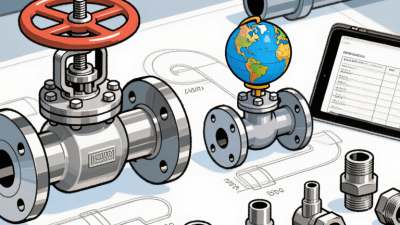
Record the fluid, operating pressure, temperature range, pipe size, and connection type. A valve suited to clean water may not suit abrasive slurry. Small differences matter. Ask each supplier for material specifications, pressure ratings, dimensional drawings, and inspection records. Check that documents match the exact model being quoted.
For projects with strict schedules, compare production capacity and delivery terms alongside price. Ask how the manufacturer handles material traceability, testing, and nonconforming parts. A sample fitting can reveal thread quality or surface finish, but it cannot replace documented testing. Look for clear answers from technical staff. If replies stay vague, pause. A polished catalog proves little on its own.
The lowest quote may exclude testing, packaging, or needed accessories, so compare complete offers. For a remote site, spare-part availability and practical installation guidance may matter more than a small unit-price saving. I would also check references from projects with similar service conditions, while remembering that one good reference is not a guarantee. Spreadsheets help, but they can hide awkward details. Revisit the criteria before choosing.