China has become a major manufacturing base for industrial pipe valves, serving water treatment, energy, chemicals, construction, and general process industries. Yet “best” cannot mean the lowest quoted price. It should reflect material traceability, pressure testing, machining accuracy, delivery control, and after-sales support.
Market data shows why supplier selection matters. Fortune Business Insights valued the global industrial valves market at approximately USD 78 billion in 2023. Its report also expects continued growth through 2032, driven by infrastructure upgrades, water systems, and industrial automation. Grand View Research reports similar expansion, although its figures differ because market definitions vary. That difference deserves attention. Buyers should compare the research scope before trusting a headline number.
China’s leading manufacturers commonly produce ball, gate, globe, butterfly, check, and control valves. Strong factories can provide test certificates, heat-number records, dimensional inspection reports, and pressure-test results. A reliable supplier should also explain standards such as API, ASME, ISO, EN, and applicable project specifications. The International Organization for Standardization emphasizes documented quality systems, while API standards support consistent design and testing practices in petroleum and related industries.
A practical evaluation begins with the valve’s real service conditions. Consider pressure, temperature, media, corrosion risk, connection type, and operating frequency. Ask to review factory procedures, not only product photographs. A polished catalog is useful, but it cannot replace inspection evidence. Some suppliers look impressive online and remain unproven in the field. That is the uncomfortable part. This guide examines China’s best pipe valves manufacturers and suppliers through quality, certification, customization, production experience, and dependable communication.
Choosing the best pipe valve manufacturer or supplier in China requires more than comparing prices. In practical sourcing work, I look for evidence behind every promise. A capable factory explains its casting, machining, sealing, and pressure-testing processes clearly. Engineers should understand fluid type, temperature, pressure, and installation conditions. Site evidence matters: clean work areas, calibrated gauges, and traceable material records. Ask for pressure-test reports, not polished promises. Small details reveal discipline.
A reliable supplier also controls communication after the order. Drawings should show dimensions, materials, tolerances, and inspection points. Sample valves need practical testing, not only attractive packaging. Delivery dates should be realistic and linked to production capacity. When a supplier admits a limitation, I often trust the process more. That honesty matters. Still, one weakness deserves attention: some companies present certificates without explaining their scope, date, or testing method. Buyers should verify documents and match them to the actual product.
Technical authority comes from repeatable data, trained staff, and documented corrective actions. Ask how defects are isolated, repaired, and prevented. The answer should include records, not vague assurances. Export experience helps, but local regulations and installation conditions also shape the right choice. A supplier may offer excellent casting yet lack responsive service. That gap can stop a project. The best partner combines material expertise, inspection discipline, clear communication, and the humility to improve after mistakes.

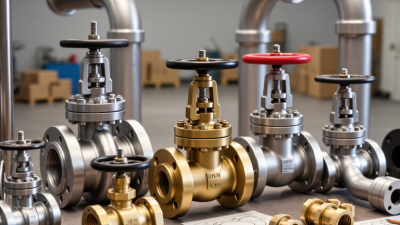
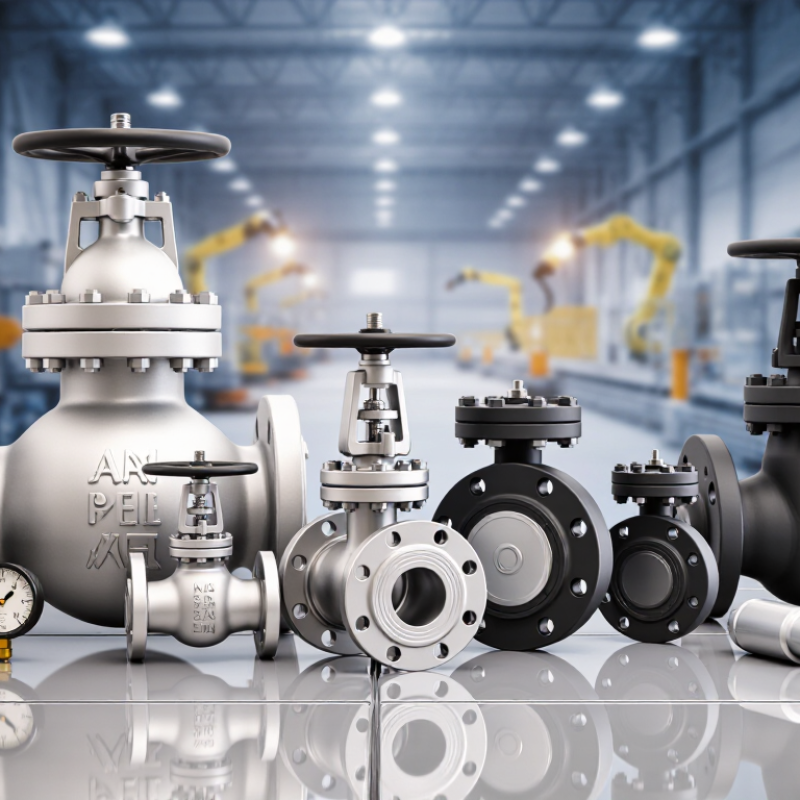
China’s pipe-valve manufacturing base covers gate, globe, ball, butterfly, check, plug, and diaphragm valves. Each design serves a different operating condition. Gate valves suit full-flow isolation in water and oil pipelines. Globe valves provide more precise throttling. Ball valves close quickly and limit pressure loss, while butterfly valves reduce weight in large-diameter systems.
The global industrial valve market exceeded USD 75 billion in 2023, according to Global Market Insights’ industry report. The same report forecasts steady growth through 2032, supported by water treatment, energy, chemical processing, and infrastructure investment. Chinese suppliers increasingly produce forged and cast valves, with pneumatic or electric actuators for automated systems. Check valves also remain important. They prevent reverse flow near pumps, compressors, and storage tanks.
Selection requires more than comparing prices. Engineers should verify pressure class, temperature range, sealing material, body alloy, and connection standard. API, ASME, ISO, and EN requirements may apply, depending on the project. A catalog can look complete, yet it may hide testing limits. Ask for pressure-test records, material certificates, dimensional drawings, and traceability documents. One weakness remains: some suppliers explain specifications poorly. That makes technical review essential, especially for corrosive media or repeated cycling. A valve that fits the pipe may still fail in service.
The chart presents typical nominal pressure ranges commonly specified for industrial pipe valves manufactured in China. Actual ratings depend on the valve design, materials, connection standard, temperature, media, and testing requirements. Major product categories include butterfly, ball, gate, globe, check, and plug valves.
China’s pipe valve sector is broad, but supplier quality varies sharply. Grand View Research estimated the global industrial valves market at about USD 77 billion in 2023. This demand attracts capable factories and inexperienced traders. Buyers should verify production ability, not only compare quotations.
A reliable evaluation begins with factory evidence. Check ISO 9001 records, pressure-test procedures, material certificates, and heat-number traceability. For critical pipelines, review compliance with API 6D, ISO 5208, or the specified project standard. Ask for recent inspection reports, not templates. A useful audit follows one valve from raw casting to packing. Inspect machining areas, calibration labels, welding controls, and spare-part storage. Short video calls help, but an independent inspection remains stronger.
Commercial data also deserves careful review. UN Comtrade records show China as a major exporter of valves under HS 8481, yet export volume does not prove technical reliability. Compare rejection rates, delivery history, warranty terms, and response times. Request three references with similar pressure, temperature, and medium conditions. A polished certificate file can still hide weak traceability. I would question any supplier promising every specification at the lowest price. No scorecard is perfect. One missing test record may matter more than a five-percent discount.
China Best Pipe Valves Manufacturers and Suppliers?
Chinese pipe valve manufacturers serve demanding industrial applications, from refinery process lines to municipal water systems. The MarketsandMarkets Industrial Valves Market study estimated the global market at about US$78.8 billion in 2023. It projects growth beyond US$100 billion by 2028. This expansion increases pressure on suppliers to prove quality, not merely offer low prices.
In chemical plants, corrosion-resistant valves manage acids, solvents, and frequent temperature changes. Power stations require reliable isolation valves around boilers, cooling circuits, and high-pressure steam lines. Water treatment facilities often use butterfly and diaphragm valves for dosing, filtration, and sludge control. A practical supplier should provide material certificates, pressure-test records, dimensional drawings, and traceability for each batch. ISO 5208 testing and relevant API requirements can support technical verification.
Details matter. A valve installed beside a vibrating pump may need stronger support and a different actuator. A stainless-steel body can still fail when the seal material is poorly matched. Not every low-cost quotation is efficient. That assumption needs testing. Buyers should compare cycle life, spare-part access, coating quality, and delivery consistency. The UN World Water Development Report 2024 states that agriculture represents roughly 70% of global freshwater withdrawals, strengthening demand for efficient water-control systems. However, some supplier catalogs still provide limited application data. Engineers should request field references and inspect test procedures before approving a production order.
| Valve Type | Primary Function | Common Construction Materials | Typical Pressure Range | Suitable Media | Common End Connections | Key Industrial Applications | Relevant Standards and Design References |
|---|---|---|---|---|---|---|---|
| Gate Valve | Provides full-flow isolation with low pressure loss when fully open. | Carbon steel, stainless steel, ductile iron, cast iron | Class 150–2500; PN10–PN420, depending on design | Water, steam, oil, gas, and non-abrasive process fluids | Flanged, butt-weld, socket-weld, threaded | Water transmission, power generation, oil and gas pipelines, chemical processing | API 600, API 602, API 603, ASME B16.34, EN 1984 |
| Globe Valve | Controls and throttles flow through a movable disc and seat arrangement. | Carbon steel, stainless steel, alloy steel, bronze | Class 150–2500; PN10–PN420 | Steam, water, air, gas, and many liquid process media | Flanged, threaded, socket-weld, butt-weld | Steam systems, boiler feed lines, process control, cooling-water regulation | API 623, API 602, ASME B16.34, EN 13709 |
| Ball Valve | Offers fast quarter-turn shutoff and low resistance in the open position. | Carbon steel, stainless steel, forged steel, brass, special alloys | Class 150–2500; PN10–PN420 | Water, hydrocarbons, natural gas, compressed air, and chemicals | Flanged, threaded, socket-weld, butt-weld | Natural-gas distribution, petrochemical plants, tank farms, water treatment | API 6D, API 608, ISO 17292, ASME B16.34 |
| Butterfly Valve | Uses a rotating disc for economical isolation and moderate flow control. | Ductile iron, cast iron, carbon steel, stainless steel, aluminum bronze | PN6–PN40; Class 150–600 for selected designs | Water, wastewater, air, seawater, cooling fluids, and compatible chemicals | Wafer, lug, flanged, grooved | Municipal water systems, HVAC, fire protection, wastewater, cooling circuits | API 609, EN 593, AWWA C504, ISO 5752 |
| Check Valve | Prevents reverse flow automatically without external actuation. | Cast steel, stainless steel, ductile iron, bronze, alloy steel | Class 150–2500; PN10–PN420 | Water, oil, gas, steam, air, and process fluids | Flanged, wafer, threaded, socket-weld, butt-weld | Pump discharge lines, compressor systems, boiler piping, pipeline protection | API 594, API 6D, API 602, EN 16767 |
| Plug Valve | Provides quarter-turn isolation using a cylindrical or conical plug. | Carbon steel, stainless steel, ductile iron, nickel-based alloys | Class 150–1500; PN10–PN250 | Oil, gas, slurry, wastewater, and mildly corrosive fluids | Flanged, threaded, butt-weld | Pipeline transport, refinery services, wastewater, and abrasive-fluid handling | API 599, API 6D, ASME B16.34 |
| Safety Relief Valve | Releases excess pressure to protect vessels, piping, and equipment. | Carbon steel, stainless steel, alloy steel, bronze | Set pressures vary by equipment design and applicable code | Steam, air, gas, liquid, and thermal expansion service | Threaded, flanged, socket-weld | Boilers, pressure vessels, compressors, thermal systems, chemical plants | ASME BPVC Section VIII, API 520, API 526, API 527 |
| Control Valve | Continuously regulates flow, pressure, temperature, or liquid level. | Carbon steel, stainless steel, alloy steel, lined materials | Commonly Class 150–600; higher classes are available for special service | Water, steam, gas, hydrocarbons, and chemical process fluids | Flanged, threaded, socket-weld, butt-weld | Process automation, chemical production, power plants, refining, and water treatment | IEC 60534, ISA 75 series, ASME B16.34 |
| Diaphragm Valve | Separates the operating mechanism from the process medium and supports hygienic service. | Cast iron, ductile iron, stainless steel, plastic-lined bodies | Typically vacuum to approximately PN16, depending on type and lining | Corrosive chemicals, slurries, ultrapure water, and sanitary fluids | Flanged, threaded, socket-weld, sanitary clamp | Pharmaceutical production, food processing, wastewater, chemical dosing | EN 13397, ISO 16138, ASME BPE for applicable hygienic systems |
| Strainer | Removes suspended solids to protect pumps, meters, valves, and instruments. | Cast iron, carbon steel, stainless steel, bronze | PN10–PN40; Class 150–600 for selected designs | Water, oil, steam, air, and process liquids | Flanged, threaded, socket-weld, screwed | Pump suction lines, steam systems, cooling water, fuel systems | ASME B16.34, ASME B16.5, EN 1092-1 |
| Cryogenic Valve | Controls or isolates liquefied gases at very low temperatures. | Stainless steel, nickel alloys, low-temperature carbon steel | Commonly Class 150–600; pressure depends on cryogenic medium and design | Liquid nitrogen, oxygen, argon, LNG, and other liquefied gases | Flanged, butt-weld, extended-bonnet designs | LNG terminals, industrial gas plants, air separation, cryogenic storage | BS 6364, API 625, ISO 28921-1, ASME B16.34 |
| Lined Valve | Provides corrosion resistance by isolating the valve body with a non-metallic lining. | PTFE-lined, rubber-lined, PFA-lined, ceramic-lined bodies | Typically low to medium pressure; rating depends on lining and temperature | Acids, alkalis, corrosive chemicals, wastewater, and abrasive slurries | Flanged, wafer, lug, threaded | Chemical processing, mining, pulp and paper, electroplating, wastewater treatment | EN 12567, ISO 5752, applicable flange and pressure design standards |
Selecting valves from China requires more than comparing online prices. Define the pipeline medium, operating temperature, pressure, connection type, and valve function. A valve for clean water may fail in corrosive chemical service. Specify the body material, seal material, actuator requirements, and expected cycle frequency. Short specifications create expensive misunderstandings.
Request drawings, pressure ratings, material certificates, inspection records, and applicable test standards. API, ISO, EN, or other standards may apply, depending on the project and destination. Confirm whether testing covers shell strength, seat leakage, and operation torque. Ask for heat numbers and traceability documents. Evidence matters.
Review the supplier’s manufacturing capacity, quality system, machining equipment, and previous export experience. A remote factory tour helps, but an independent inspection provides stronger evidence. Approve a sample when dimensions or sealing performance are critical. Check nameplates, packing, corrosion protection, and spare parts before shipment. Do not rely on photographs alone.
Include inspection points in the purchase contract. State tolerances, documents, delivery terms, warranty conditions, and remedies for nonconforming goods. A very low quotation deserves careful review. It may exclude testing, packaging, or essential certificates. Also, payment schedules should match verified production milestones. Even experienced buyers miss small details, especially thread standards and actuator voltage. Recheck them.