2026 How to Choose the Right Forged Pipe Fittings for Your Needs?
Choosing the right forged pipe fittings for your projects is crucial. Over the years, the industry has seen significant growth. The global market for forged pipe fittings is projected to reach $10 billion by 2026, driven by the rising demand in oil and gas sectors. According to industry expert, Dr. Sarah Jennings, “Selecting the correct fittings ensures both safety and efficiency in any pipeline system.”
Understanding the specific needs of your operations can affect overall performance. Forged pipe fittings are known for their superior strength and durability. They are ideal for high-pressure applications. However, not all forged fittings are created equal. Material choice, pressure ratings, and size must align with project requirements.
It's essential to acknowledge that poor choices can lead to costly consequences. Manufacturers' standards vary widely. Inadequate fittings can cause leaks and safety hazards. Researchers emphasize the importance of thorough testing and certification. Even reputable brands should be vetted for quality. Making an informed decision requires careful consideration and expertise in forged pipe fittings.
What Are Forged Pipe Fittings and Their Key Advantages in Industry?
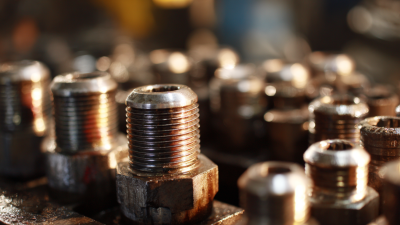
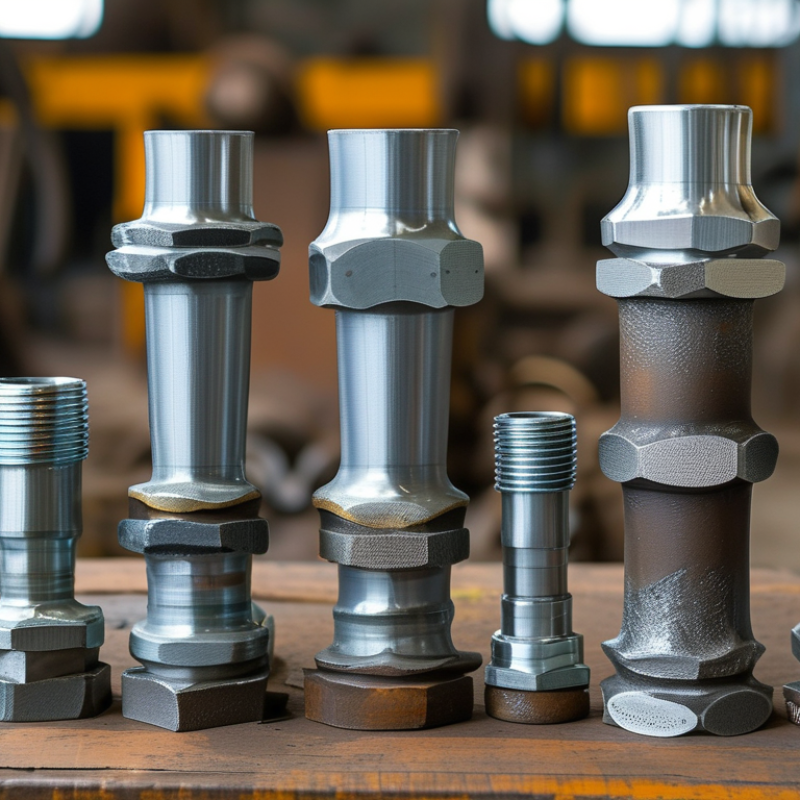
Forged pipe fittings are essential components in many industrial applications. They are made from solid metal, which is heated and then shaped. This process enhances their strength and durability compared to other types of fittings. Industries often rely on these fittings for their high-pressure systems.
One significant advantage of forged pipe fittings is their ability to withstand extreme pressures and temperatures. Their robust design minimizes the risk of leaks, which can lead to costly downtime. Manufacturers often prefer these fittings in critical situations where safety is paramount.
However, choosing the right forged fittings can be challenging. It requires a deep understanding of the specific application needs. Factors such as material type, size, and pressure ratings must be considered. Not every forged fitting will work for every situation. Sometimes, industry professionals overlook the importance of matching the right fitting to the system requirements. This can result in issues that are hard to trace back to their source.
Understanding Material Specifications for Forged Pipe Fittings Selection
When selecting forged pipe fittings, understanding material specifications is crucial. Various industries require different materials based on factors like temperature, pressure, and corrosion resistance. According to a report by the National Institute of Standards and Technology (NIST), about 30% of industrial failures stem from inappropriate material selection. This highlights the importance of understanding the characteristics of available materials.
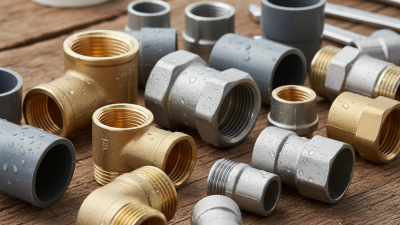
Common materials include carbon steel, stainless steel, and alloy steel. Carbon steel provides strength but may corrode in certain environments. Stainless steel, with its superior corrosion resistance, often performs better in harsh conditions. For extreme heat or pressure, alloy steels are preferable. However, the cost can be significantly higher. A study by ASTM International notes that selecting the right material can improve overall system reliability by up to 50%, yet many engineers still overlook specific requirements for application.
Installation conditions also matter. Fittings must match the piping material to ensure a leak-proof connection. Misalignments can lead to stress and eventual failures. Inconsistent quality in forged fittings is an issue too. A report from the American Society of Mechanical Engineers (ASME) surfaced concerns about variations in the manufacturing process. It's essential to question certifications and conduct thorough inspections. Knowledge of these details helps avoid costly mistakes in projects.
Evaluating Pressure Ratings and Temperature Limits for Optimal Use
When selecting forged pipe fittings, understanding
pressure ratings and
temperature limits is crucial. These factors dictate how well a fitting will perform under
specific conditions. Research from the American Society of Mechanical Engineers (ASME)
reveals that many failures occur due to inappropriate material choices based on
misinterpreted ratings. High-pressure applications often require fittings that can
withstand forces exceeding 3000 psi, yet not all
materials are equal. For instance, carbon steel may fail at elevated temperatures due to
a lack of strength, while alloy fittings may perform better in those instances.
Additionally, temperature limits significantly impact the integrity of the fittings.
According to a report by the Institute of Materials, materials like
stainless steel can manage higher
temperatures up to 1200°F, while plastic fittings
may only tolerate around 200°F. This mismatch can lead
to catastrophic failures if not properly evaluated. It’s also important to consider
environmental factors. Corrosion
could weaken a fitting and affect its rated pressure and temperature limits.
Thoroughly reviewing manufacturer specifications and performance data from reputable
sources can help ensure that the right choice is made.
Common Applications of Forged Pipe Fittings in Various Industries
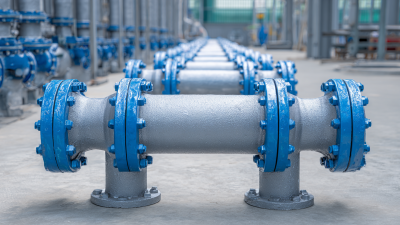
Forged pipe fittings play a crucial role in several industries, ensuring safe and efficient connections in piping systems. Their applications span from
oil and gas to construction and manufacturing. The oil and gas sector alone accounts for approximately
25% of the forged pipe fittings market, as outlined in a recent report by
Global Market Insights. These fittings withstand high pressure and extreme temperatures, essential traits in this industry.
In the construction industry, forged fittings are vital in water supply and drainage systems. They enhance reliability and durability. According to a
study by Technavio, the global construction market will reach over
$10 trillion by 2023. This growth directly boosts the demand for forged fittings, given their robust nature.
However, challenges arise in selecting the appropriate materials, as improper choices can lead to
failures and safety risks.
Forged pipe fittings are also common in the manufacturing sector. They’re used in HVAC systems and process
piping, where the integrity of the system is paramount. A recent analysis found that around
40% of manufacturing facilities face issues due to inadequate piping materials.
Making informed choices on forged fittings is essential to mitigate operational risks. Evaluating the specific needs of your application can help avoid
costly mistakes and enhance system performance.
Cost-Benefit Analysis: Investing in Quality Forged Pipe Fittings
When investing in forged pipe fittings, consider their long-term impact on your projects.
Quality fittings may cost more upfront, but they often deliver better performance and
durability. This can lead to significant savings over time through reduced
maintenance and replacement costs. Assess how the materials used in forging can withstand extreme environments.
The right choice can prevent breakdowns and costly downtime.
Tips: Always evaluate the specifications before making a purchase. Look for fittings that are certified
and tested. Quality assurance can help you avoid potential failures and liabilities.
The decision-making process is not always straightforward. While cheaper options may seem attractive, they can
compromise safety and efficiency. High-quality forged fittings are typically made from superior alloys that
resist corrosion. This can be crucial for specific applications like oil or gas transportation. Hence, weighing the
initial investment against future benefits is essential.
Tips: Consult with industry experts. Their insights can guide you in choosing suitable materials
for your specific needs. Additionally, evaluate your usage conditions to determine the required grade.