What is a Di Fitting and How is it Used in Industry?
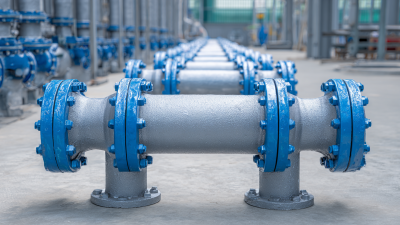
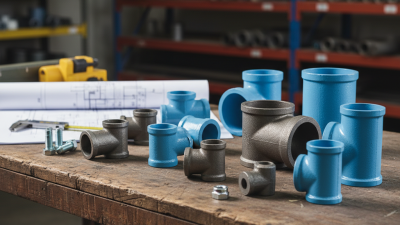
In the industrial sector, understanding the role of DI fittings is essential. These fittings, which connect ductile iron pipes, are critical in various applications, from water supply to wastewater management. Expert Thomas Langston, a recognized authority in pipeline systems, once stated, "DI fittings offer unmatched durability and reliability in the harshest environments."
DI fittings are not just components; they are crucial to the integrity of industrial systems. Their strength prevents leaks and failures. However, despite their advantages, industry professionals must regularly assess and maintain them. An overlooked fitting can lead to significant issues down the line. The details matter, as improper installation can compromise the entire network.
While many celebrate the robustness of DI fittings, it’s necessary to continuously seek improvements. Assessing material quality and installation methods is vital. The industry must reflect on best practices to enhance overall performance. Balancing durability with ease of use is a challenge worth embracing. Understanding DI fittings demands attention to detail, as every connection plays a role in the system’s success.
What is a Di Fitting?
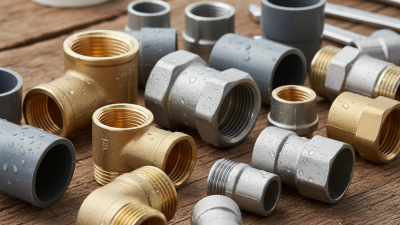
Di fittings, often referred to as direct injection fittings, play a crucial role in various industries. These components are designed to connect pipes or tubes, especially in systems requiring precision and reliability. They enable seamless fluid transfer, which is essential for applications in chemical processing, water supply, and HVAC systems.
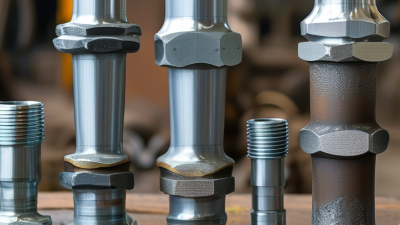
The design of a DI fitting is typically straightforward. Made from durable materials, these fittings can withstand high pressures and temperatures. They come in various shapes and sizes, accommodating different piping standards. However, selecting the right fitting can be challenging. Compatibility issues may arise if the material or size does not match the system's requirements.
In practices where efficiency is key, installing DI fittings correctly is vital. Misalignment or poor installation can lead to leaks, impacting overall system performance. Regular inspections and maintenance are necessary to ensure long-term reliability. Users must be proactive in identifying signs of wear and potential failure. The discussion surrounding DI fittings emphasizes their importance, yet it also highlights the need for continuous learning and adaptation in their application.
Types of Di Fittings Used in Industry
Di fittings play a crucial role in various industries, particularly in fluid management systems. These fittings are used to connect pipes or hoses securely, ensuring a leak-free operation. Different types of di fittings cater to specific applications, making it essential to choose the right one for the job.
Among the various types, compression fittings are common in many applications. They create tight seals by compressing the fitting on the pipe. It’s important to follow the manufacturer's guidelines to ensure proper installation.
Another type is the threaded fitting, which relies on male and female threads for connection. These can be practical but may require frequent maintenance to prevent leaks over time.
Quick-connect fittings offer flexibility in high-pressure systems. They enable easy connection and disconnection, ideal for situations requiring frequent access. However, their reliability can vary depending on the quality of materials used. Choosing the wrong type can lead to inefficiencies. Understanding the dynamics of each type can greatly impact operational efficiency.
While selecting di fittings, it’s vital to consider both the material compatibility and the application requirements.
Applications of Di Fittings in Various Industries
Di fittings are crucial components in various industries, serving essential functions in fluid and gas transfer. These fittings connect pipes, tubes, and hoses, ensuring a reliable and leak-free system. In the food and beverage industry, di fittings are used extensively to maintain hygiene. They facilitate the smooth flow of liquids while preventing contamination, which is vital for consumer safety.
In the chemical industry, di fittings help manage corrosive substances. They are designed to withstand harsh conditions and support various pressure levels. Choosing the right material is essential. It’s a careful balance; using the wrong fitting can lead to failures or leaks. Additionally, refineries and processing plants rely on di fittings to connect complex piping layouts. This is where precision matters most.
The water treatment sector also benefits from di fittings. These components play a role in distributing clean water effectively. The challenge lies in ensuring long-term performance in different environments. Regular inspections and maintenance are key in avoiding potential issues. Each application highlights the importance of choosing suitable fittings. Balancing efficiency and safety is an ongoing concern for engineers and operators alike.
What is a Di Fitting and How is it Used in Industry? - Applications of Di Fittings in Various Industries
| Industry |
Application |
Type of Di Fitting |
Material |
| Oil and Gas |
Connecting pipelines for fluid transport |
Threaded Di Fittings |
Stainless Steel |
| Water Supply |
Distribution of drinking water |
Socket Weld Di Fittings |
PVC |
| Construction |
Plumbing installations |
Compression Di Fittings |
Copper |
| Chemical Processing |
Transporting hazardous materials |
Specialty Di Fittings |
PTFE |
| HVAC |
Connecting air ducts |
Flanged Di Fittings |
Galvanized Steel |
Installation and Maintenance of Di Fittings
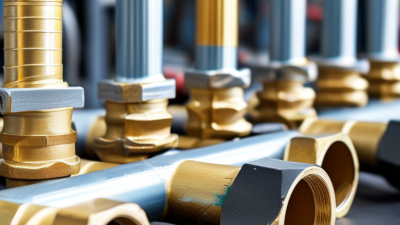
Di fittings are essential components in industrial applications. Their installation and maintenance require careful attention. Proper installation is crucial for ensuring safety and efficiency. Wrongly installed fittings can lead to leaks, inefficiencies, and costly downtime. Therefore, having trained professionals perform the installation is recommended.
Routine maintenance is vital for the longevity of di fittings. Regular checks can prevent unexpected failures. Inspect for corrosion, wear, or signs of pressure loss. If issues arise, timely repairs can save resources and time. Keeping accurate records of maintenance activities helps in identifying patterns or recurring problems. Learning from past maintenance can improve future practices.
Attention to detail during both installation and maintenance is necessary. Industry standards can fluctuate, influencing best practices. Adaptation and continuous learning are critical. Sometimes, even the best-laid plans can fail, highlighting the need for flexibility. Embracing the possibility of mistakes promotes growth and enhances operational reliability.
Usage of Di Fittings in Various Industries
This bar chart illustrates the percentage of Di fittings used across various industries, highlighting their significance in waterworks, oil & gas, and construction sectors among others.
Benefits of Using Di Fittings in Industrial Settings
Di fittings play a crucial role in various industrial applications. These fittings are designed to connect pipes and ensure a secure flow of liquids or gases. Their proper use can significantly improve system efficiency. In many industries, including oil and gas, water treatment, and manufacturing, the reliability of these connections cannot be overstated.
One significant benefit of using di fittings is their versatility. They are suitable for different types of materials and environments. Industries often face challenges like extreme temperatures and pressures. Di fittings are designed to withstand these conditions effectively. However, improper installation or selection can lead to leaks or failures. Regular inspection and maintenance are essential to avoid unplanned downtimes.
Another advantage is their contribution to safety. A well-fitted connection minimizes the risk of spills or accidents. This can protect not only the equipment but also the workforce. Yet, the wrong size or type can compromise safety. Understanding the material properties and application needs is vital. This awareness helps in selecting the right fittings.