Top Di Fittings Trends for 2026 What Buyers Need to Know
As we approach 2026, the landscape of di fittings is evolving rapidly. Buyers must stay informed about these changes. Understanding the upcoming trends can greatly impact decision-making.
Di fittings are essential in various industries, from plumbing to construction. These components ensure a reliable connection in systems. The quality and type of di fittings can significantly influence performance.
Buyers might face challenges in sourcing the right products. With a plethora of options available, making an informed choice is crucial. This guide aims to highlight key trends and insights in di fittings. It will equip buyers with the knowledge necessary for successful procurement in the coming years.
Emerging Technologies in Di Fittings for 2026
The landscape of di fittings is evolving rapidly as we approach 2026. Emerging technologies are reshaping how these fittings are designed and manufactured. One notable trend is the integration of smart materials. These innovative materials respond to environmental changes. For instance, temperature-sensitive fittings can adapt their configuration based on the surrounding conditions. This proactive approach enhances operational efficiency and extends the product's lifespan.
Another exciting development is the use of 3D printing in the production of di fittings. This technology allows for customization and rapid prototyping. Manufacturers can create complex designs that were difficult to achieve with traditional methods. However, the challenge lies in ensuring consistent quality during mass production. Iterative testing is essential to overcome potential issues that may arise.
Sustainability also plays a significant role. More companies are adopting eco-friendly materials, but the transition can be complex. Buyers need to be aware of the balance between performance and environmental impact. Finding reliable suppliers who share these values can be daunting. The emphasis on transparency will continue to grow, and buyers must evaluate their options carefully. Investing in new technologies may require a shift in mindset, but the potential benefits are significant.
Sustainability Trends Impacting Di Fittings Design
As we approach 2026, sustainability remains at the forefront of DI fittings design. Buyers are increasingly prioritizing eco-friendly materials. Research shows that 70% of consumers are more likely to buy from brands with sustainable practices. This shift drives manufacturers to innovate, but challenges persist. Meeting stringent environmental regulations can lead to increased production costs.
Designing sustainable DI fittings involves using recycled materials and optimizing manufacturing processes. For instance, incorporating 30% recycled content can reduce energy consumption by up to 40%. However, the industry grapples with sourcing high-quality recycled materials that meet performance standards. Balancing eco-friendliness with durability is an ongoing challenge that requires continuous improvement.
Moreover, the demand for transparency is rising. Buyers seek information about the environmental impact of their purchases. Companies that communicate their sustainability efforts effectively can foster trust. Nonetheless, not all organizations transparently share their practices, leading to consumer skepticism. The journey toward sustainable DI fittings is complex, but it's essential for aligning with future market expectations.
Top Di Fittings Trends for 2026
This chart represents the various trends influencing the design of DI fittings in 2026. Sustainability stands out as the most critical factor, followed by innovative designs and customization. Understanding these trends is key for buyers looking to stay ahead in the market.
Key Market Players Shaping Di Fittings Innovations
As the demand for ductile iron (DI) fittings grows, several key players are driving innovation in this sector. According to a 2023 market research report, the DI fittings market is projected to expand at a compound annual growth rate (CAGR) of 5.4% from 2023 to 2028. This growth indicates not just heightened demand but also a surge in technical advancements and sustainable practices.
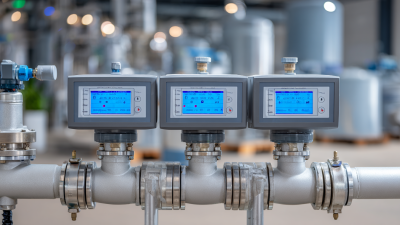
Leading companies are focusing on innovative designs that enhance performance and durability. The introduction of corrosion-resistant coatings is one significant trend. This development aims to extend the lifespan of fittings and reduce maintenance costs in harsh environments. Additionally, more manufacturers are investing in smart technologies. These technologies assist in monitoring the conditions of fittings in real-time, contributing to safer infrastructure.
While the advancements are encouraging, challenges remain. Supply chain disruptions have been a frequent hurdle, impacting production timelines and costs. Moreover, there is the persistent issue of meeting environmental regulations. Stakeholders must continually adapt strategies to align with these evolving requirements. The interplay of these factors will be pivotal in shaping future innovations in DI fittings.
Consumer Preferences Driving Di Fittings Choices
Consumer preferences are shaping the future of Di fittings significantly. Today's buyers seek products that blend functionality with aesthetics. They favor fittings that not only perform well but also enhance the overall look of their spaces. Colors and finishes are more important than ever, reflecting personal style and trends.
Sustainability is a critical factor in purchasing decisions. Many consumers want eco-friendly options that minimize environmental impact. Recyclable materials and energy-efficient designs are becoming essential. Buyers are also interested in durability and longevity, as they want products that stand the test of time.
However, the challenge lies in balancing these preferences with budget constraints. Many consumers feel overwhelmed by the choices available. They want fittings that offer both quality and value. The need for clear information and guidance in selection is apparent. Retailers must provide insights and expert advice to help navigate this complex landscape.
Top Di Fittings Trends for 2026 - What Buyers Need to Know
| Trend |
Description |
Influencing Factors |
Expected Impact |
| Sustainability |
Increased demand for environmentally friendly materials and practices in manufacturing. |
Consumer awareness of environmental issues, regulatory changes. |
Higher market share for sustainable products, improved brand loyalty. |
| Smart Technology |
Integration of IoT capabilities in fittings for enhanced monitoring and control. |
Rise of smart homes, demand for automation and efficiency. |
Increased convenience, potential cost savings for consumers. |
| Customization |
Growing trend toward personalized fittings to meet specific customer needs. |
Desire for unique solutions, technological advancements in manufacturing. |
Increased customer satisfaction, differentiated product offerings. |
| Health and Safety |
Heightened focus on hygiene and safety standards in material selection. |
Impact of global health concerns, stricter regulations. |
Higher product compliance rates, increased consumer trust. |
| Lightweight Materials |
Shift towards lighter, more durable materials for easier installation and transportation. |
Efficiency requirements, advancements in material science. |
Reduced shipping costs, faster installation times. |
Regulatory Changes Affecting Di Fittings Industry Dynamics
Recent regulatory changes are reshaping the dynamics of the DI fittings industry. These changes emphasize sustainability and safety, prompting manufacturers to adapt. New standards are being introduced that focus on environmental impact. The push for eco-friendly materials is significant. Buyers must understand how these regulations shape product availability.
Compliance with updated safety standards ensures that products meet stringent quality checks. Manufacturers are investing in innovation to align with regulations. New designs may prioritize user safety and environmental benefits. Buyers should explore how these factors influence cost and availability in the market.
Alongside new regulations, emerging technologies present unique challenges. The industry's adaptation process is ongoing. Companies may struggle to meet both demand and compliance simultaneously. Awareness of these trends is crucial for informed purchasing decisions. Buyers should remain vigilant as the landscape evolves.