Who Are China's Top Fittings and Valves Suppliers?
Choosing a fittings and valves supplier is not a name-recognition exercise. A polished catalogue cannot show how a valve performs after thousands of operating cycles. Buyers need evidence: material specifications, pressure ratings, inspection records, and clear traceability. Small details matter. A stamped heat number, for example, can help connect a component to its material documentation.
Quality expert W. Edwards Deming offered a useful principle: “Quality comes not from inspection, but from improvement of the production process.” Deming was not a fittings and valves specialist, so his words should not be mistaken for product-specific advice. Still, the principle points buyers toward a practical question: can a supplier explain how it controls materials, machining, assembly, and testing—not just display a final inspection certificate?
This guide examines Chinese suppliers through practical criteria, including product range, manufacturing capability, certifications, export experience, and technical support. It also considers whether a company’s strengths suit a particular application, from instrument connections to industrial pipeline service. There is no universal “top” supplier for every project. A shortlist is not proof. Even a careful comparison has blind spots, and published claims deserve verification. Product samples, current documents, and direct technical discussions can reveal gaps a website cannot. The aim is a clearer starting point for evaluating suppliers, not a substitute for project-specific engineering review.
What Fittings and Valves Suppliers Do in China’s Industrial Market
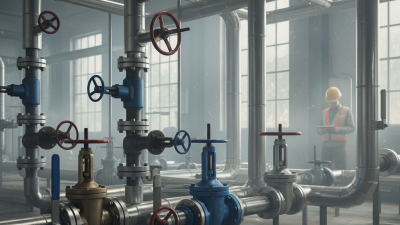
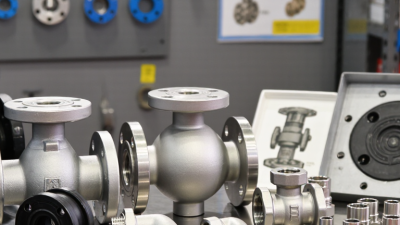
In China’s industrial market, fittings and valves suppliers do more than ship components. They help plants connect pumps, pipes, tanks, and instruments into serviceable systems. Their work often starts with operating conditions: fluid type, pressure, temperature, corrosion risk, and installation space. They then help match materials, connection styles, dimensions, and valve functions to the application. Small parts, real consequences. A mismatched thread or seal can lead to leakage, downtime, or repeated maintenance.
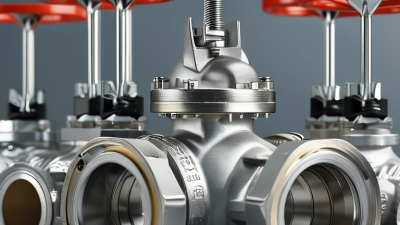
Reliable suppliers also coordinate drawings, production checks, and delivery details. They may verify dimensions, inspect castings or machined surfaces, test valve operation, and provide material records. Buyers should confirm tolerances, end connections, pressure ratings, packing, and spare-part availability before ordering. Requirements vary by project, so certificates need to match the actual specification. Still, paperwork can look complete while a drawing hides a mismatch. A sample fit-up or technical review may catch problems early. Suppliers link engineering teams, factories, and maintenance crews, adapting standard products where practical and flagging limits on customization. Delivery schedules can shift, so buyers should leave time for verification.
How China’s Fittings and Valves Industry Is Organized
Who Are China’s Top Fittings and Valves Suppliers?
How China’s Fittings and Valves Industry Is Organized
China’s fittings and valves industry is a layered manufacturing network, not one uniform supplier market. Foundries and forging shops produce bodies; specialist plants machine seats, stems, and sealing surfaces. Other firms assemble actuators or test finished products. Suppliers often cluster near industrial hubs, making component sourcing and production coordination more accessible. The chain is layered.
UN Comtrade’s 2023 trade data for HS 8481, covering taps, cocks, valves, and similar appliances, records China’s exports at roughly US$19 billion. This figure shows the scale of cross-border trade, not the quality of any individual factory. Suppliers serve different needs, from standard water fittings to high-pressure equipment for industrial systems. Buyers should check pressure ratings, material traceability, test records, and whether a supplier makes parts in-house. A polished catalogue alone proves little. That matters.
Tips: Ask for a sample inspection report and a clear bill of materials. Confirm which production steps are subcontracted. A small mismatch in alloy or seal material can change service life. Export figures also do not reveal delivery reliability, so request recent lead-time data and verify it against actual orders.
Who Are China’s Top Fittings and Valves Suppliers?
How China’s fittings and valves industry is organized: suppliers span component production, machining, assembly, and testing. Rather than showing company market shares, this chart presents common ASME valve pressure-class designations used to segment product offerings.
The class numbers are standard designations—not pressure values in psi. Actual pressure-temperature ratings depend on factors such as material and operating temperature.
How to Compare Supplier Capabilities and Certifications
When comparing China’s fittings and valve suppliers, treat certificates as evidence to verify, not trophies. The ISO Survey 2022 recorded 1,265,216 valid ISO 9001 certificates and 529,853 ISO 14001 certificates worldwide. These figures show broad adoption of management systems, not that a specific valve passed your required pressure test. Paper is not performance. Check each certificate’s scope, validity, issuing body, and whether the named factory matches the production site.
Then examine the work behind the documents. Ask for material traceability from heat number to finished part, pressure-test records, calibration dates, and recent inspection reports. For pipeline valves, confirm whether API 6D applies to the product and service; for other designs, check the relevant specification instead. Request a sample quality dossier, not just a capability slide. Compare machining and testing capacity, stated lead times, nonconformance handling, and how changes to drawings are controlled. A supplier may hold strong certifications yet outsource critical steps. That is easy to miss. I would also compare a recent test record with the exact model and pressure class being quoted, since a generic certificate cannot answer that question.
What Buyers Should Check When Choosing a Supplier
A supplier’s catalog is only a starting point. Check whether its fittings and valves match your fluid, pressure, temperature, and connection requirements. Ask for material certificates and traceability records tied to the actual production batch, not just a generic sample. For critical applications, review pressure-test procedures and inspection reports. Details matter. A clear document should identify the tested item, date, method, and acceptance criteria.
Production consistency deserves equal attention. Ask how dimensions, surface finish, and sealing performance are checked during manufacturing. Request a sample when practical, then compare it with the drawing and specification. A polished catalog can still hide gaps. I would also ask about lead times, minimum order quantities, and how the supplier handles nonconforming parts. A vague answer is worth exploring, though it does not prove poor quality. Sometimes buyers focus too much on the lowest quote and too little on replacement costs or delayed installation. Check how quickly technical questions receive specific answers, and whether promised records arrive with the shipment. A simple checklist helps, but it cannot replace a careful review of the application and supporting documents.