What Are the Top Plumbing Fittings for Global Buyers?
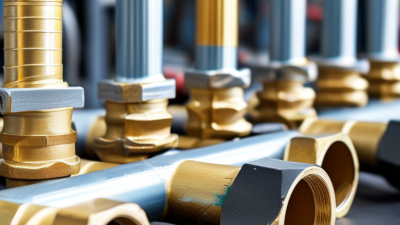
Global buyers rarely choose plumbing fittings by appearance alone. They examine material, connection type, pressure rating, corrosion resistance, and verified compliance. A polished brass elbow may look dependable, yet poor plating can peel inside a humid warehouse. Small details matter.
R. Dodge Woodson, a recognized plumbing author and industry educator, has said, “The best plumbing installation is the one that works reliably and remains serviceable.” That principle guides this review. The strongest plumbing fittings are not always the cheapest or most complex. They should match the pipe system, water chemistry, temperature range, and installation conditions. Copper, stainless steel, brass, PEX, PVC, compression, push-fit, and threaded options each solve different problems. Fit matters.
For international purchasing teams, reliable evidence is essential. Product drawings should show dimensions, thread standards, sealing surfaces, and tolerances. Independent test reports can confirm pressure performance and material safety. Certifications such as NSF/ANSI, WRAS, or other regional approvals may also support market access, depending on the destination. Supplier audits, batch records, and sample inspections add practical confidence.
Still, no shortlist is perfect. A fitting accepted in one country may need different documentation elsewhere. A supplier with impressive photographs may provide weak traceability. This guide compares leading choices through a buyer’s daily reality: warehouse handling, installation speed, leak prevention, replacement access, and long-term maintenance. The details may seem ordinary. They often decide whether a project succeeds.
What Are Plumbing Fittings and Why Do Global Buyers Need Them?
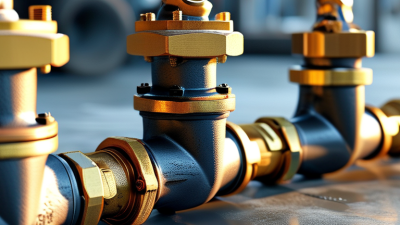
Plumbing fittings are the small components that connect, control, and redirect water through a building. They include elbows, tees, couplings, adapters, valves, and connectors. A pipe alone cannot create a dependable water system. Fittings determine how water moves around walls, floors, tanks, and fixtures.
Global buyers need them because water access and building construction remain major infrastructure priorities. The WHO and UNICEF Joint Monitoring Programme reported that 2.2 billion people lacked safely managed drinking water in 2022. That gap increases demand for durable distribution systems. Buyers must also handle different pipe standards, thread types, pressure ratings, and local water conditions. A fitting that works perfectly in a cool indoor system may fail in heat, corrosion, or repeated pressure changes. This point is often underestimated. The Global Water Intelligence market reports also show continuing investment in water infrastructure, although market estimates differ by region and definition.
Tips: Confirm the pipe material, connection method, pressure class, and certification before ordering. Request test records and dimensional drawings. Compare total project cost, not only unit price. In my experience, the cheapest fitting can create expensive installation delays. Yet no specification is perfect; field conditions may still require review by a qualified engineer. Sampling before bulk purchasing is a practical safeguard.
Which Plumbing Fitting Materials Suit Different Applications?
Material selection determines whether a plumbing fitting performs reliably or creates repeated maintenance problems. Global buyers should match the fitting to water chemistry, pressure, temperature, and installation conditions. Brass fittings suit many indoor water systems because they provide strength and resist moderate corrosion. However, aggressive water can damage some brass alloys over time. Material details matter.
Stainless steel fittings work well in coastal buildings, food facilities, and exposed service areas. They tolerate moisture and many cleaning chemicals, but quality varies by alloy and manufacturing process. Copper fittings offer proven heat resistance for hot-water lines and compact mechanical rooms. Their cost may rise sharply in regions with expensive raw materials. Plastic options, including PVC, CPVC, and PEX-compatible fittings, reduce weight and resist many chemicals. They need careful temperature and ultraviolet exposure checks.
For buried water mains, ductile iron fittings can handle heavy loads and pressure when properly coated and installed. Inside apartments, plastic fittings may simplify transport and reduce labor. Threaded connections are practical for repairs, while press or socket systems can improve installation speed. Yet, rushed preparation can cause leaks. I have seen projects choose fittings by price alone, then replace them after water testing. Buyers should request pressure ratings, material certificates, dimensional standards, and drinking-water compliance documents. Local regulations still control the final choice. An experienced engineer should review unusual water conditions, especially high chloride levels, acidic water, or frequent thermal cycling.
What Types of Plumbing Fittings Are Most Commonly Purchased Worldwide?
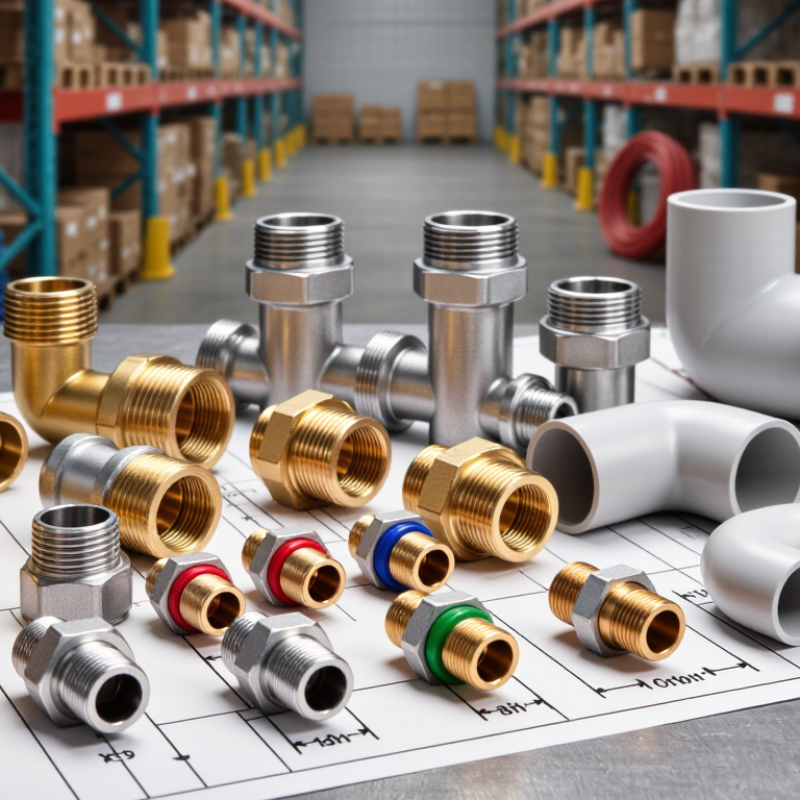
Across global plumbing markets, elbows, couplings, tees, and reducers remain the most frequently purchased fittings. They connect pipe runs, change direction, split flow, or match different diameters. A 90-degree elbow is common beneath sinks and inside wall cavities. Couplings help repair damaged sections without replacing an entire line. Tees serve kitchens, bathrooms, irrigation branches, and light commercial systems. These simple parts move quickly because every installation needs several sizes.
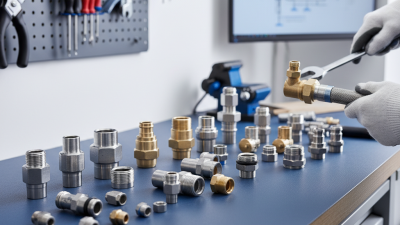
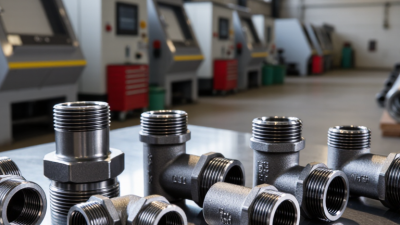
Threaded adapters and unions are also widely ordered. Adapters connect different connection types, such as threaded outlets and smooth pipe. Unions allow maintenance without cutting the pipe. Compression fittings are popular where heat-free installation matters, especially for small water lines. Push-fit fittings save time, but installers must prepare clean, evenly cut pipe. Not foolproof. A small burr can cause a slow leak. That detail is easy to miss.
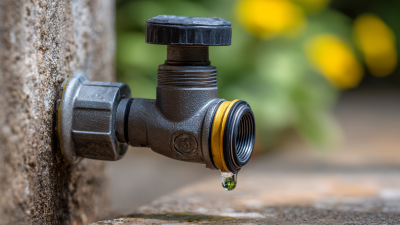
For drainage work, traps, waste elbows, and access fittings are common purchases. For pressurized water, buyers often select shutoff valves, check valves, and pressure-rated connectors. Material choice depends on temperature, corrosion exposure, water quality, and local installation rules. Buyers should verify thread form, nominal size, pressure rating, seal compatibility, and certification for potable water. Standards differ across regions, so a fitting that fits physically may still be unsuitable. Fit alone fails. Field experience shows that spare seals, caps, and matching tools prevent delays, although many buyers underestimate them.
How Should Buyers Compare Fitting Standards, Sizes, and Connections?
Global buyers should compare plumbing fittings by standard, size, material, and connection type. A fitting marked DN25 may not match a one-inch fitting perfectly. Nominal sizes describe systems, not always exact outside diameters. Measure the pipe and check the manufacturer’s dimensional table.
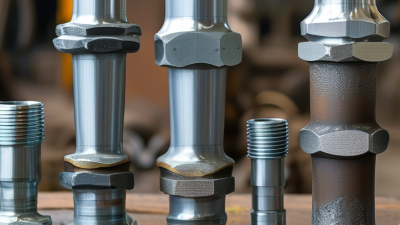
Standards also affect thread shape and sealing methods. NPT, BSPP, and BSPT threads can look similar but may not connect safely. A practical inspection includes thread angle, pitch, diameter, and sealing surface. For press, push-fit, or solvent-weld connections, buyers should verify pipe material and approved tolerances. Certification to recognized standards such as ISO, EN, or ASME can improve traceability, but certification alone does not prove system compatibility.
Material selection needs real service information. Stainless steel suits many demanding environments, while brass and engineered polymers may reduce weight or cost. Confirm pressure, temperature, fluid chemistry, and corrosion exposure before ordering. Ask for test reports, batch records, and installation instructions. Small details matter. A fitting may pass a factory test yet fail after poor alignment or excessive thread sealant. I have seen purchasing teams focus on unit price and overlook adapters, tools, and replacement lead times. That comparison was incomplete. Buyers should request sample fittings, test assembly by trained installers, and record any mismatch before approving a larger shipment.
What Quality and Supply Factors Matter in Global Fitting Procurement?
Global buyers often choose compression, threaded, press, and PEX fittings for different installation conditions. The right choice depends on pipe material, water pressure, temperature, and local maintenance skills. A fitting may look polished, yet its sealing performance matters more than surface appearance.
Experienced procurement teams check material composition, dimensional accuracy, and pressure-test records before placing large orders. For potable water systems, suppliers should provide suitable test documentation and clear material identification. Thread gauges must match the required standard, because a small mismatch can cause leakage during installation. Fit matters. Buyers should also inspect samples for burrs, uneven plating, damaged threads, and weak seals. These details often reveal production control problems.
Supply reliability deserves equal attention. Ask for realistic lead times, monthly capacity, minimum order quantities, and reserve-stock plans. Each carton should show the fitting size, batch number, quantity, and handling instructions. Strong packaging prevents thread damage after long sea transport. Digital inspection reports and batch traceability make quality claims easier to verify. Still, no checklist is perfect. I have seen attractive samples perform well while later batches showed inconsistent dimensions. Independent pre-shipment inspections can reduce that risk, especially for first orders. Buyers should record corrective actions and review supplier performance after delivery, not only before payment. A dependable source communicates delays early and explains how defects will be contained.