| Threaded Fittings |
ASME B16.11
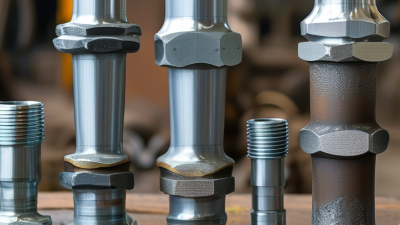
Threaded ends commonly use ASME B1.20.1 pipe threads |
External and internal tapered pipe threads are screwed together, usually with a suitable thread sealant. |
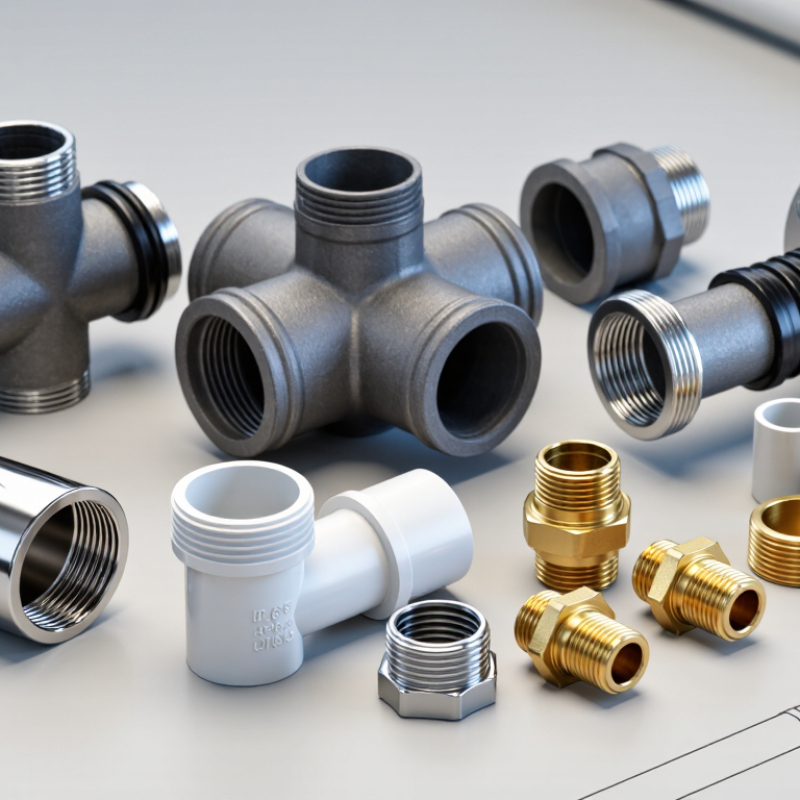
Elbows, tees, couplings, bushings, caps, plugs, unions, and cross fittings |
ASME B16.11 generally covers NPS 1/8 through NPS 4 for forged threaded fittings. |
Common B16.11 classes include 2000, 3000, and 6000 for threaded fittings. The applicable rating depends on size, material, temperature, and design conditions. |
Small-bore utility lines, instrumentation connections, compressed air, water, and low-to-moderate temperature services |
No welding equipment is required; convenient for installation, modification, and maintenance of smaller pipe systems |
Threads can leak or gall if improperly installed; generally less suitable for severe vibration, cyclic loading, high-temperature service, and larger pipe sizes |
| Socket-Weld Fittings |
ASME B16.11 |
The pipe is inserted into a recessed socket and attached with a fillet weld around the outside of the fitting. |
Socket-weld elbows, tees, couplings, crosses, caps, and branch outlets |
ASME B16.11 generally covers NPS 1/8 through NPS 4 for forged socket-weld fittings. |
Common B16.11 classes include 3000, 6000, and 9000 for socket-weld fittings. The allowable pressure is also affected by material and operating temperature. |
High-integrity small-bore piping, chemical processing, steam, hydraulic, and instrumentation systems |
Compact assembly, strong welded joint, good resistance to vibration, and no internal threads exposed to the process fluid |
Requires qualified welding procedures; the socket geometry may create a small internal crevice or stress concentration, and inspection access can be limited |
| Butt-Weld Fittings |
ASME B16.9 for factory-made wrought buttwelding fittings
ASME B16.25 for buttwelding ends |
The prepared bevels of the pipe and fitting are aligned and joined by a full-penetration butt weld. |
Long-radius elbows, short-radius elbows, equal and reducing tees, reducers, caps, and stub ends |
ASME B16.9 covers wrought buttwelding fittings from NPS 1/2 through NPS 48, subject to the standard's specific dimensional tables. |
No single universal pressure class is assigned by B16.9. The piping system is rated through material strength, wall thickness, temperature, weld quality, and applicable design code. |
Refineries, power plants, process piping, transmission systems, and large-diameter pipelines |
Smooth internal flow path, low turbulence, excellent structural continuity, and suitability for large sizes and demanding services |
Installation requires welding, alignment, inspection, and often heat treatment; removal or later modification is more difficult than with bolted connections |
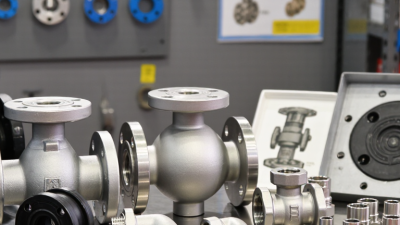
| Flanged Fittings and Flange Connections |
ASME B16.5 for pipe flanges and flanged fittings
ASME B16.47 for large-diameter steel flanges |
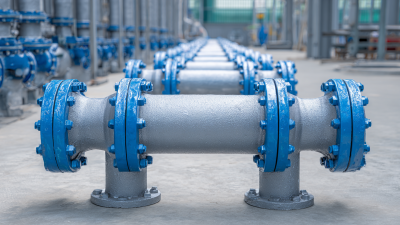
Two facing flanges are bolted together with a gasket between the sealing faces. Flanges may be welded, threaded, socket-welded, or integral with the fitting. |
Flanged elbows, tees, reducers, blind flanges, weld-neck flanges, slip-on flanges, socket-weld flanges, and threaded flanges |
ASME B16.5 generally covers NPS 1/2 through NPS 24. ASME B16.47 covers selected large-diameter flanges from NPS 26 through NPS 60. |
ASME B16.5 pressure classes include 150, 300, 400, 600, 900, 1500, and 2500. Ratings vary with material group and temperature. |
Valve connections, equipment nozzles, pump and vessel connections, inspection points, and systems requiring frequent disassembly |
Easy to disconnect, inspect, and maintain; suitable for connecting dissimilar equipment and components that cannot be field-welded |
Requires more space, bolts, gasket control, and alignment; heavier and generally more expensive than welded connections |