What Are the Different Types of Pipe Fittings?
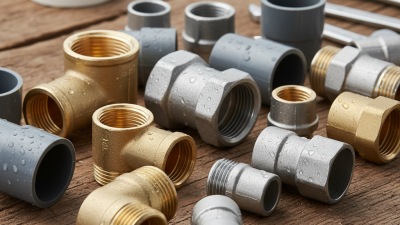
Pipe fittings may look like small components, but each one shapes how a piping system turns, branches, connects, or changes diameter. An elbow redirects flow around a beam. A tee divides it toward another line. A reducer joins pipes of different sizes, while a coupling connects two straight sections. Choosing the wrong type can create leaks, pressure loss, or difficult maintenance.
The global pipe fittings market is a significant industrial sector. Grand View Research’s Pipe Fittings Market report estimated its 2023 value at approximately US$15 billion, though estimates vary with market definitions and product coverage. That scale reflects demand across construction, water supply, oil and gas, and manufacturing. It also makes material choice important: carbon steel, stainless steel, copper, and plastic fittings serve different operating conditions.
A useful guide should go beyond naming parts. It should explain how fittings differ by shape, connection method, material, and application. Threaded fittings can be convenient to install. Welded fittings suit permanent connections, but require skilled work and inspection. The details matter.
One limitation deserves attention: a fitting’s appearance alone cannot confirm suitability. Pressure rating, fluid, temperature, pipe dimensions, and applicable engineering standards all affect selection. This article introduces the main types of pipe fittings and shows where each is commonly used. Before choosing one, check the system requirements. A small component still carries a serious responsibility.
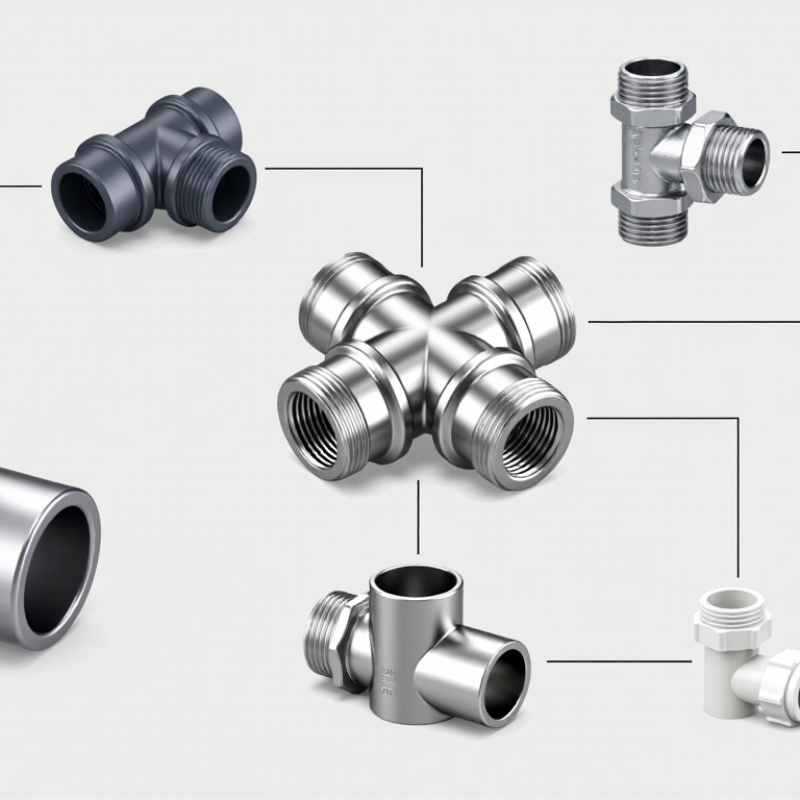
How Pipe Fittings Connect and Shape a Piping System
A piping system rarely follows a perfectly straight path. Elbows turn the line around a wall or machine, while tees divide flow into branches. Reducers join pipes of different diameters, helping shape transitions without forcing an abrupt size change. Small details matter. A few centimeters can decide whether a fitting clears a support or blocks access for maintenance.
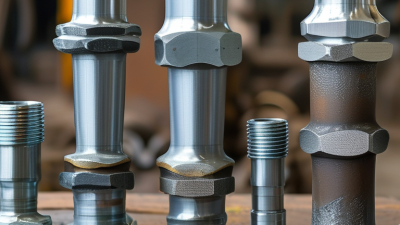
Fittings also determine how sections connect. Couplings join pipe ends, unions allow a joint to be taken apart, and adapters bridge different connection types. Depending on the design, joints may use threads, welding, soldering, or mechanical seals. Each method has limits. A threaded fitting, for example, needs compatible materials and careful tightening to avoid leaks or damaged threads. The connection must suit the pipe, the fluid, and the operating conditions.
Choosing fittings is not just a matter of matching diameters. Pressure, temperature, corrosion risk, and flow direction all affect the layout. A sharp turn may fit a tight space, but it can create more flow resistance than a long-radius bend. That trade-off is easy to miss on a drawing. In practice, installers also check tool clearance, support locations, and whether joints will remain reachable after nearby equipment is in place.
Fittings for Joining Straight Pipe Sections
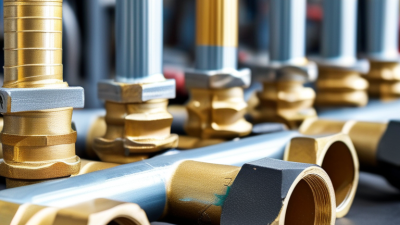
Straight pipe sections are commonly joined with couplings, sleeves, or unions. A coupling connects two pipe ends in a fixed line, while a union can be taken apart later for inspection or replacement. Some fittings use threaded ends; others rely on soldering, solvent cement, welding, or compression. The correct method depends on the pipe material and system design. Check nominal size, actual diameter, pressure rating, and temperature limits before choosing a fitting. A part that looks right may still fit poorly.
Tips: Clean and deburr cut ends before assembly. Keep pipes aligned while tightening or joining them. Use thread sealant only when the fitting instructions call for it. Small details matter.
For a fixed run behind a wall, a permanent coupling may suit the layout, but future access is harder. Near a valve, pump, or appliance, a union can make maintenance less disruptive. In practice, misalignment is easy to overlook: even slight strain can stress joints over time. Support the pipe close to the connection, and follow the fitting maker’s installation specifications. If the system carries hazardous or high-pressure fluids, have a qualified professional verify the joint design and installation.
Fittings for Changing Flow Direction and Creating Branches
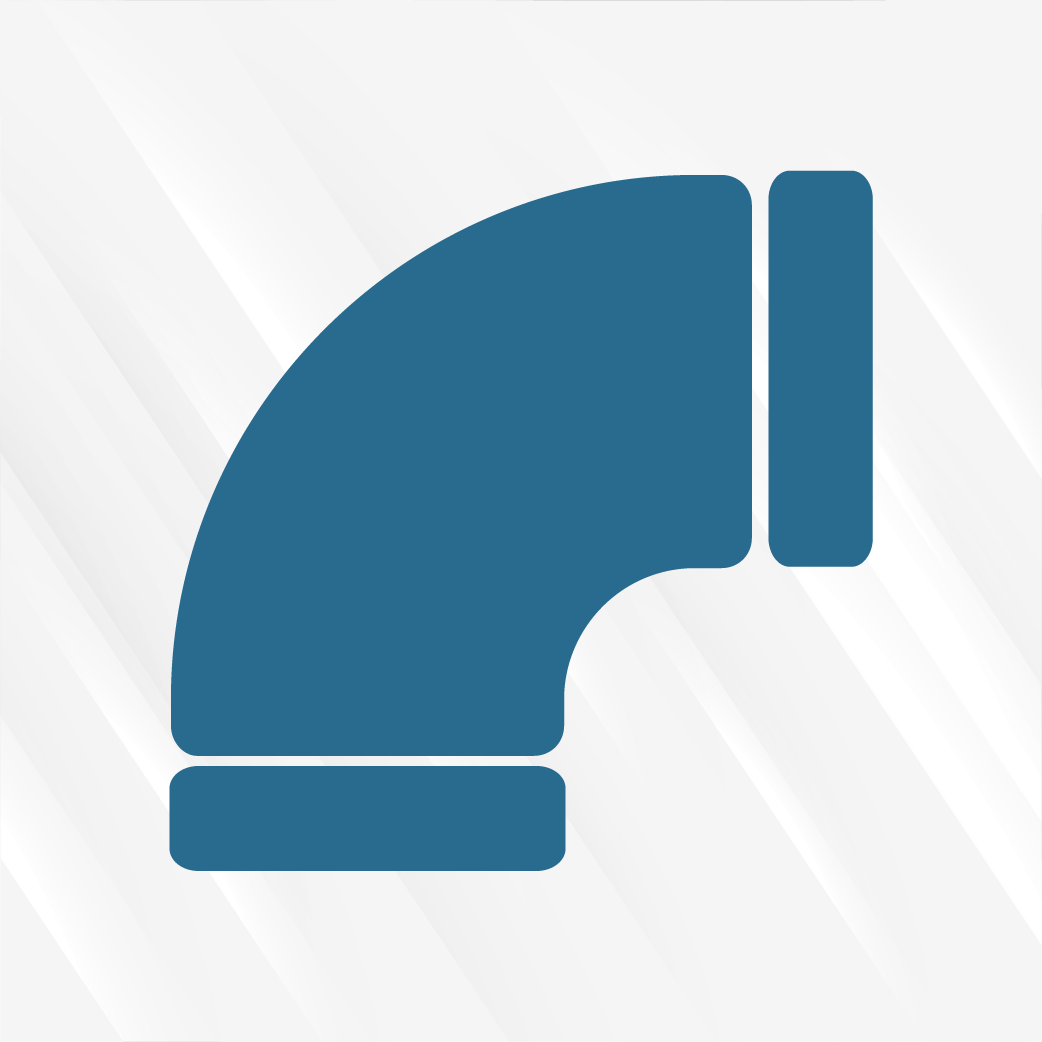
Pipe fittings guide water around obstacles and divide it into useful routes. A 90-degree elbow turns flow around a wall or beam; a broad-radius elbow usually creates a gentler path than a tight turn. That matters in long runs, where small losses can add up. Look inside the fitting, too. A rough seam or abrupt change in bore can disturb flow.
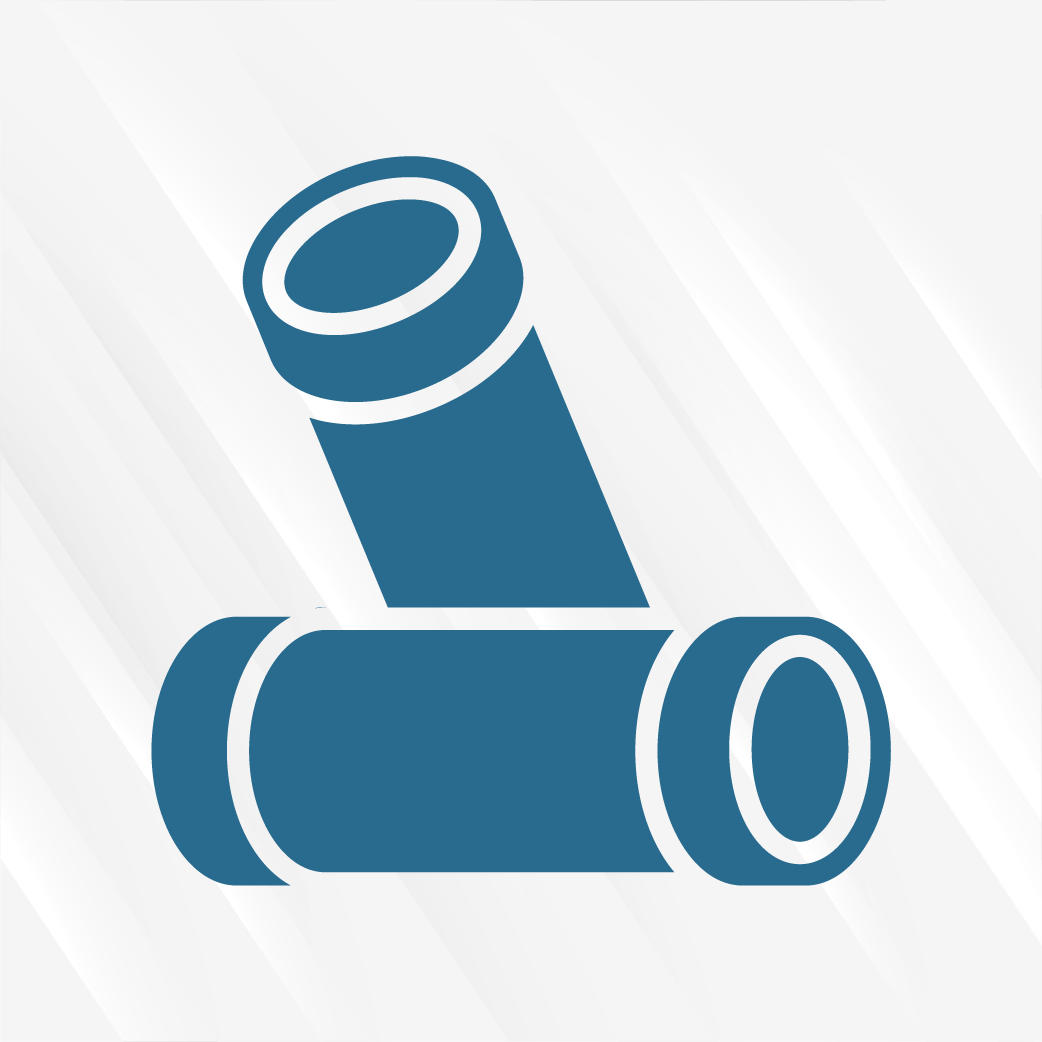
Tees create branches, but their two paths do not behave alike. Flow continuing through the run faces different resistance from flow turning into the branch. The ASHRAE Handbook—Fundamentals tabulates fitting loss coefficients by geometry and flow path. It uses the relationship hL = K·v²/(2g), where K is the fitting coefficient, v is fluid velocity, and g is gravitational acceleration. Higher velocity makes the same fitting’s pressure loss rise quickly. Small detail. Big effect.
For a practical layout, match the fitting material and connection type to the pipe, then check the manufacturer-neutral dimensional and hydraulic data for the exact geometry. A tee serving a side line may need careful sizing if several outlets open together. I would not treat every elbow or tee as interchangeable; their internal shapes differ. This is easy to overlook. ASHRAE’s tables are useful, but real systems also depend on flow rate, fluid properties, and installation conditions.
Pipe Fittings for Changing Flow Direction and Creating Branches
Elbows redirect flow, while tees and wyes create branches. The chart shows typical direction-change or branch angles; actual fitting geometry varies by design and standard.
Fittings for Changing Pipe Size or Closing a Line
When a pipe run changes diameter, a reducer or increaser makes the transition. Reducers can limit abrupt changes in flow, but the right shape depends on the system. A concentric reducer keeps both pipe centerlines aligned. An eccentric reducer shifts one side, which can help manage air or liquid pockets in certain layouts. Check the drawing and installation position; a small offset can matter.
Tips: Match fitting size, material, and pressure rating to the pipe and service. Measure the actual outside diameter, not just the label. Dry-fit parts before joining them. It sounds obvious, but rushed measurements are a common source of leaks.
To close a line, a cap usually covers the pipe end, while a plug fits into a compatible opening. Thread style and sealing method must match; similar-looking threads do not always seal together. For a line that may need future access, a removable closure can be more practical than a permanent one. Leave room for tools, too. A fitting can be technically correct and still be awkward to service.
Specialty Fittings for Flow Control, Access, and Movement
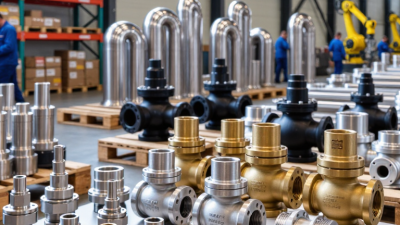
Specialty fittings do more than join pipe. Some help regulate flow, while others provide access or accommodate movement. A valve placed near a pump can isolate equipment for maintenance, but it should remain reachable after insulation and supports are installed. Small details matter. Flow-control devices must suit the fluid, pressure, temperature, and expected operating conditions. A fitting that restricts flow too sharply may create noise or unwanted pressure loss. Check the manufacturer’s technical data and the project specifications before choosing one.
Access fittings make inspection and cleaning less disruptive. Cleanouts, capped branches, and inspection ports can provide useful entry points, especially where deposits may collect or a line changes direction. Their placement needs thought: a cleanout hidden behind a cabinet is technically present, yet difficult to use. Movement needs attention, too. Flexible connectors and expansion loops can help manage vibration or thermal expansion, provided they are correctly supported and not forced out of alignment. Keep clearance around moving sections. Even a careful layout can miss a maintenance obstacle, so review the installation from the technician’s perspective before work is complete. I would not treat any single fitting as a universal fix; site conditions can change the right choice.