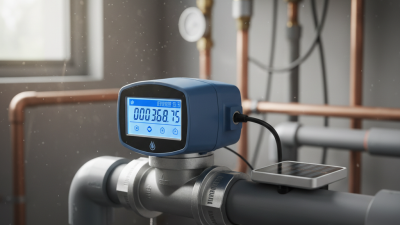
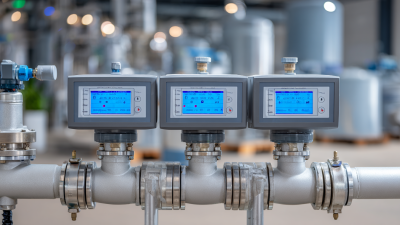
Top 10 Water Totalizers You Need for Your Business?
In today's competitive landscape, efficient water management is crucial for any business. A reliable water totalizer can help track water usage accurately, ensuring operational efficiency. While many options exist, businesses often face challenges in choosing the right device. This article presents the top 10 water totalizers that can enhance productivity and reduce waste.
Water totalizers are essential tools for monitoring consumption, offering insights that can lead to better decision-making. Each of these devices brings unique features, catering to various business needs. Selecting a suitable totalizer can transform how a business handles its water resources.
Not all water totalizers are created equal. Some may lack accuracy, while others might be too complex for everyday use. It's vital to consider factors like installation and maintenance to make an informed choice. In this guide, we aim to address these considerations, providing a path to finding the right solution for your business.
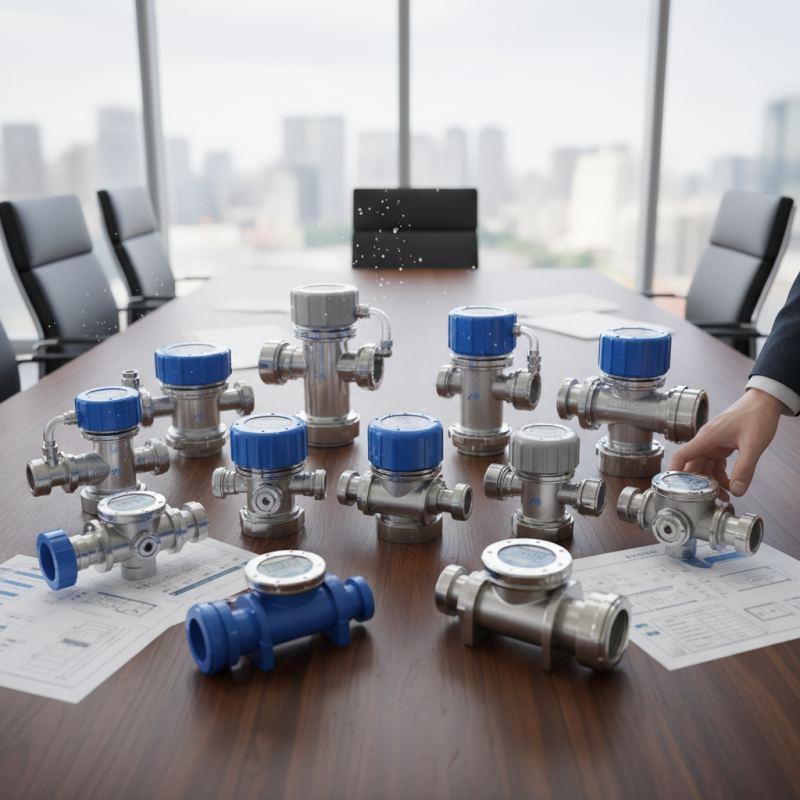
Key Features to Look for in Water Totalizers
When selecting a water totalizer for your business, key features can greatly enhance performance. Firstly, consider accuracy. A reliable totalizer delivers precise measurements. Inaccuracies can lead to operational inefficiencies. Look for devices with a high resolution and minimal error margins.
Next, ease of use is crucial. An intuitive interface streamlines operation. You want a totalizer that displays clear, readable data. Complex designs can frustrate staff and lead to mistakes.
Durability is also important. Choose models that withstand environmental factors like pressure and temperature.
Finally, integration capabilities are worth checking. A good totalizer should work well with existing systems. This can save time and reduce errors in data recording. Reflecting on these features can help businesses avoid costly pitfalls in water management. Prioritize these aspects to enhance efficiency and accuracy.
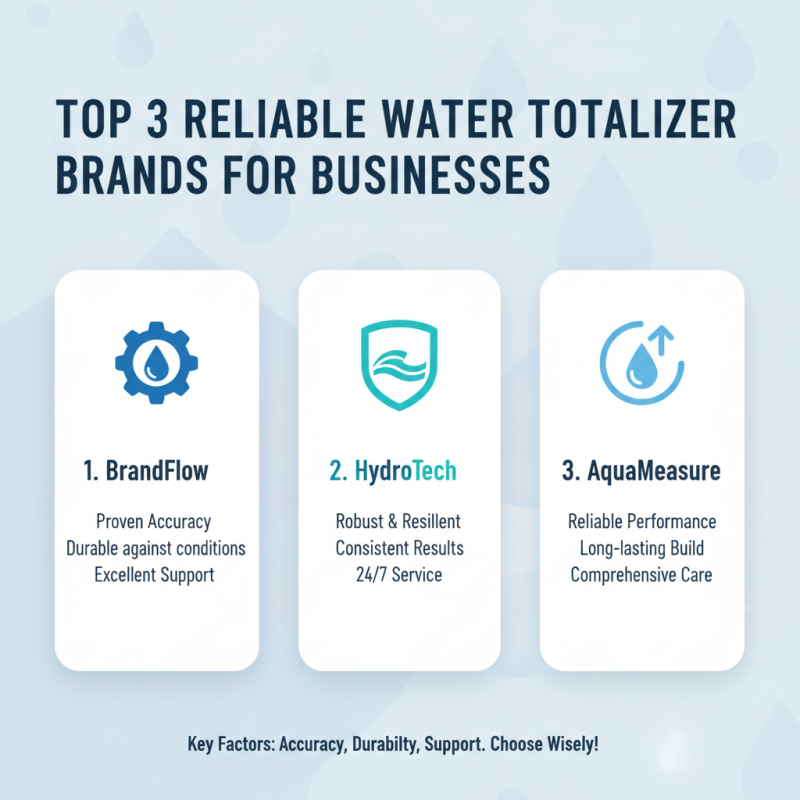
Top 3 Reliable Brands of Water Totalizers for Businesses
When it comes to water totalizers, choosing a reliable brand is crucial for effective business operations. Some brands stand out due to their proven track record in accuracy and durability. Look for water totalizers that can withstand various environmental conditions and deliver consistent results. A trustworthy company often offers comprehensive customer support, which is essential for any business facing operational challenges.
Another aspect to consider is compatibility with existing systems. A good water totalizer should integrate seamlessly with your infrastructure. Brands that provide detailed manuals and user-friendly interfaces make installations easier. You may find that some products, while reputable, have limits in certain features. Evaluating these aspects can prevent future issues.
Investing in the right brand can save both money and time. However, it’s important to be aware that not all claims are reliable. Always seek testimonials or third-party reviews to gauge real-world performance. Sometimes, a much-promoted product may not meet your specific needs. Balancing expectations with research will lead you to the best choice for your business.
Cost-Effective Water Totalizers for Small to Medium Enterprises
Water totalizers are essential for many businesses, particularly small to medium enterprises. These devices track water usage accurately, contributing to efficient resource management. Investing in a cost-effective water totalizer can save your business both money and resources. Without precise measurements, you might underestimate usage, leading to waste.
When selecting a water totalizer, consider the specific needs of your business. Ensure it suits your water supply system and meets your monitoring requirements. Some models may provide extra features, like alerts for unusual water consumption. However, additional features may also increase complexity. Reflect on whether you truly need those extras.
Tips: Always compare different models. Look for user reviews and feedback to understand real-world performance. Prioritize reliability; cheap options often result in false readings. Regular maintenance of your totalizer is crucial. Even the best devices require calibration and checks to ensure accuracy. Over time, you might find that your needs change. Stay flexible and ready to adapt your choice of a water totalizer as your business grows.
Top 10 Water Totalizers You Need for Your Business
| Model |
Flow Rate (L/min) |
Accuracy (%) |
Display Type |
Price (USD) |
| Model A |
10-100 |
±1.5 |
Digital LCD |
150.00 |
| Model B |
20-200 |
±1.0 |
Analog |
200.00 |
| Model C |
5-50 |
±2.0 |
Digital LCD |
120.00 |
| Model D |
15-150 |
±1.2 |
Digital LCD |
180.00 |
| Model E |
30-300 |
±0.5 |
Analog |
250.00 |
| Model F |
40-400 |
±1.5 |
Digital LCD |
300.00 |
| Model G |
25-250 |
±1.0 |
Digital LCD |
220.00 |
| Model H |
12-120 |
±1.8 |
Analog |
160.00 |
| Model I |
18-180 |
±1.5 |
Digital LCD |
205.00 |
| Model J |
8-80 |
±2.0 |
Digital LCD |
140.00 |
Maintenance Practices to Ensure Longevity of Water Totalizers
Water totalizers are vital for businesses that rely on accurate water consumption measurements. Regular maintenance practices significantly extend the life of these instruments. According to a report from the Water Management Institute, proper upkeep can reduce failure rates by approximately 40%.
Tips for checking components: Regularly inspect the display and connections. Dust and moisture can affect performance. Keep the totalizer clean and dry to avoid malfunctions.
Calibration is another essential aspect of maintenance. Deviations in readings can arise from wear and tear, prompting the need for periodic recalibrations. Industry standards suggest recalibrating at least once a year. Not calibrating can lead to discrepancies in water usage reporting.
Consider environmental factors. Extreme temperatures can impact component longevity. Placing water totalizers in stable conditions enhances their durability. Assess the installation site regularly to ensure optimal performance.
Utilizing these practices not only maintains accuracy but also saves costs by preventing potential breakdowns. Regular maintenance is fundamental to reliability in water management.