What Are the Top Valve Products in China?
China is one of the world’s major sources of industrial valves, serving sectors from water treatment and building services to oil, gas, and power generation. Yet “top” depends on the job. A compact brass ball valve for a building line cannot be judged by the same criteria as a large, high-pressure gate valve. Material, pressure rating, temperature range, connection type, and operating conditions all matter.
This guide examines valves products commonly associated with Chinese manufacturers, including ball, gate, globe, butterfly, check, and control valves. It explains where each type is used and what buyers should check in product specifications. Look for clear material grades, stated pressure and temperature limits, test documentation, and consistent quality records. A polished catalogue is useful, but it does not prove performance. Names can mislead.
Supplier capability also deserves attention. Ask how the valve is inspected, whether parts are traceable, and how the manufacturer handles custom requirements. Certifications may help with screening, but their relevance depends on the application and destination market. No single product is best for every pipeline. Even a well-made valve can fail if it is selected or installed poorly. This overview offers practical comparison points, while acknowledging that product data and independent verification should guide the final choice.
China’s Valve Product Map: 6 Core Types Used Across Industry
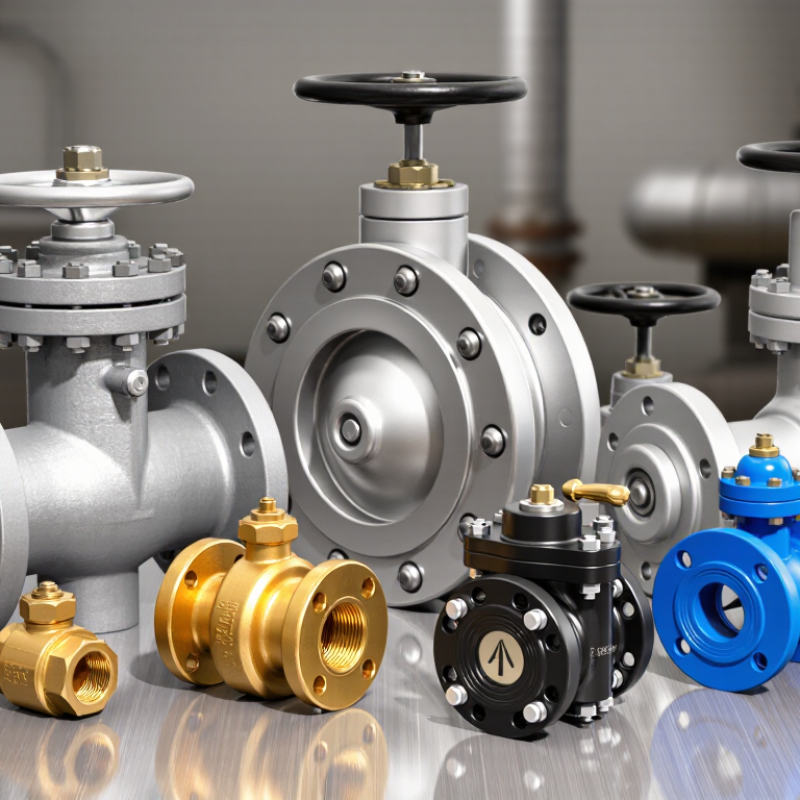
China’s valve product map is best understood by function, not by appearance. Six core types serve common industrial duties, from isolating pipelines to controlling pressure. The right choice depends on the medium, operating conditions, and maintenance plan.
Gate valves are suited to full-flow isolation. Their wedge-shaped gate moves clear of the flow when open, but they are generally poor choices for frequent throttling. Globe valves offer more controlled flow adjustment, though their changing direction of flow can increase pressure loss. Ball valves use a quarter-turn action and provide quick shutoff. Check the seat and sealing materials against the fluid and temperature.
Butterfly valves are compact and often practical on large-diameter lines. A disc rotates inside the pipe, so its position can affect flow even when open. Check valves close when flow reverses, helping protect pumps and upstream equipment. Safety relief valves open when pressure exceeds a set limit; correct sizing and testing matter. This map is useful, but incomplete. Real selection also depends on pressure ratings, connection types, corrosion risks, and service access. A valve that fits the drawing may still be awkward to inspect in a crowded plant.
Gate and Globe Valves: Steel Designs Specified in GB/T 12235
GB/T 12235 provides a technical basis for steel gate and globe valves. It addresses design and construction expectations, helping buyers compare products beyond appearance or nominal size. Gate valves are commonly used for on-off isolation. Globe valves allow more controlled adjustment of flow. Details matter.
For a real specification, check the applicable standard edition alongside pressure, temperature, materials, and end connections. A valve’s body material must suit the service conditions, while its connection dimensions must match the pipeline. Inspect drawings for face-to-face dimensions, bonnet arrangement, and access for maintenance. Ask for test documentation tied to the ordered configuration, not just a general product sheet.
The standard cannot resolve every project trade-off. A drawing may look complete but omit operating cycles, fluid condition, or installation limits. That gap deserves attention before procurement. Check the fit. Also confirm whether the selected valve is intended for isolation or regular adjustment; using a gate valve to throttle flow can lead to poor control and unnecessary wear. Clear requirements make compliant steel designs easier to assess and compare.
Steel Gate and Globe Valves: Common PN Designations
Selected nominal pressure (PN) designations shown with their nominal values in bar. PN is a designation, not a universal operating-pressure limit; allowable pressure depends on valve material, temperature, and applicable requirements.
GB/T 12235 provides design requirements for steel valves. Confirm the applicable edition and the specific valve’s pressure-temperature rating when selecting a product.
Check and Safety Valves: Protection Types Covered by GB/T 12236 and GB/T 12241
What Are the Top Valve Products in China?
Check and Safety Valves: Protection Types Covered by GB/T 12236 and GB/T 12241
Check valves and safety valves address different risks. A check valve limits reverse flow, while a safety valve releases excess pressure. Confusing their roles can leave equipment exposed. GB/T 12236 covers steel swing check valves for petroleum, petrochemical, and related industries. In a horizontal line, the disc should move freely as flow changes. Installation direction and piping layout still matter.
GB/T 12241 sets general requirements for safety valves, including key design and performance considerations. A safety valve should open at its specified pressure and close again as pressure falls. For example, it can help protect a vessel when pressure rises beyond its intended operating range. Not foolproof. Correct sizing, set-pressure selection, and maintenance remain essential; a standard cannot compensate for a poorly chosen valve.
When comparing products, check the service medium, pressure, temperature, materials, and test documentation. Confirm that the cited standard and edition match the valve’s intended application. A certificate alone does not prove suitability for every system. It is easy to focus on the nameplate and overlook installation conditions, yet those details can affect performance.