China Top Forged Fittings Manufacturers How to Choose?

Choosing among China’s top forged fittings manufacturers requires more than comparing prices or polished factory photos. In my experience, reliable purchasing begins with the fitting’s actual service conditions. Consider pressure class, material grade, temperature range, connection type, and corrosion exposure. A fitting used in a steam line needs different evidence than one installed in a low-pressure water system. Small details matter.

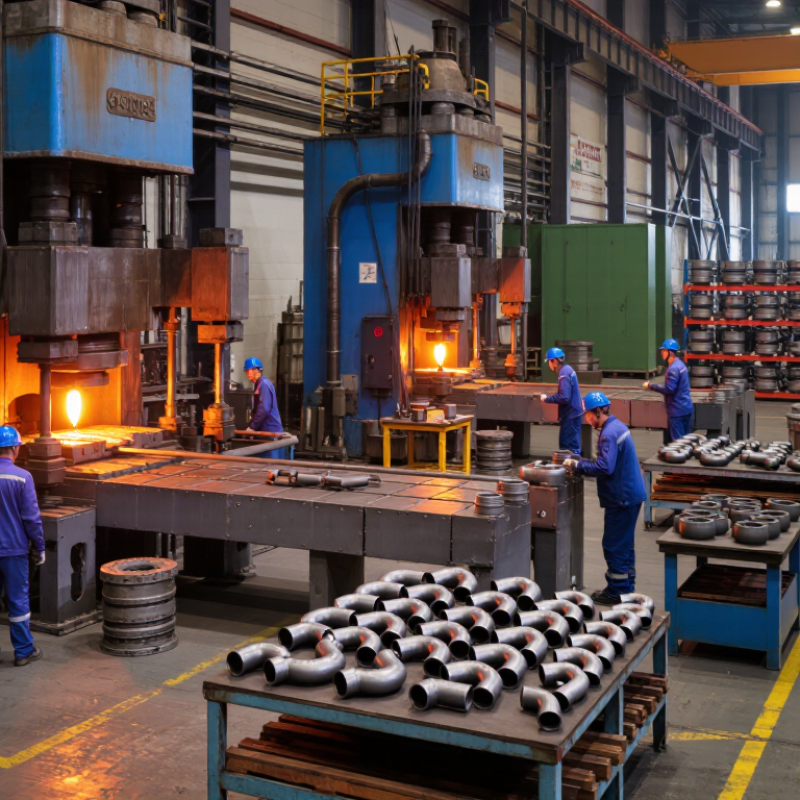
Look for manufacturers with documented production controls, skilled forging teams, and traceable heat numbers. Ask how billets are sourced, how dies are maintained, and whether each batch receives dimensional and pressure testing. Review material certificates, inspection reports, and applicable standards before approving samples. ISO certification can support confidence, but it should not replace direct verification. A serious supplier can explain its process clearly, from raw material receipt to final marking and packaging.

Visit the factory when practical, or arrange a video audit with live production views. Check machining accuracy, surface condition, storage methods, and quality records. Ask about lead times during peak seasons. Slow answers often reveal weak coordination. Not every large manufacturer is the best fit. Some smaller producers may offer stronger technical attention, but their capacity needs careful review. No shortlist is perfect. Your evaluation should balance manufacturing experience, engineering support, quality consistency, export communication, and after-sales responsibility. This guide explains how to compare China forged fittings manufacturers with practical questions and measurable evidence.
China Top Forged Fittings Manufacturers How to Choose?

What Are Forged Fittings and Why Do They Matter?

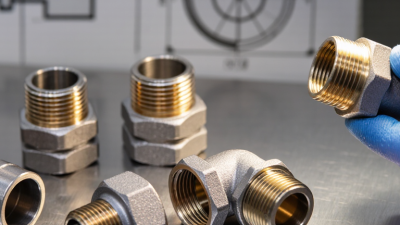
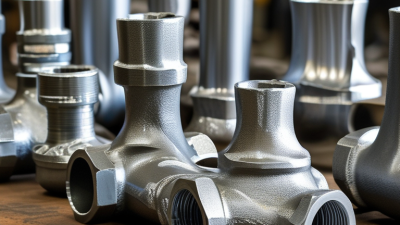
Forged fittings are pipe components shaped from heated metal under controlled pressure. Common forms include elbows, tees, couplings, unions, and threaded connectors. Unlike many cast parts, forging can produce a tighter structure and better resistance to pressure, impact, and repeated temperature changes. This matters in oil, gas, chemical, power, and industrial water systems, where a small connection failure can stop an entire line.

The material choice must match the service. Carbon steel suits many general systems, while stainless steel may resist corrosion more effectively. During supplier evaluations, I check heat-treatment records, dimensional reports, material certificates, and clear product markings. Traceability should connect each fitting to its heat number and inspection results. It sounds basic. It is often overlooked.

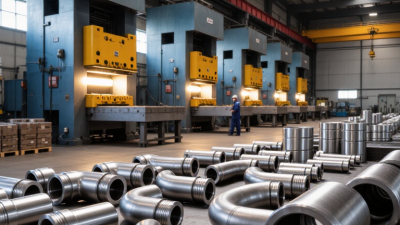
A capable Chinese manufacturer should explain its forging, machining, testing, and packaging processes without vague promises. Ask for pressure-test methods, non-destructive examination details, thread standards, and sampling rules. Factory visits can reveal practical issues, such as rough sealing surfaces or poor rust protection. I have found that paperwork may look complete while one measurement is still wrong. That is why independent inspection and sample approval remain valuable, even when the supplier appears experienced. Supplier selection is not only about price; it is about consistent geometry, verified material, and dependable communication when specifications change.


How to Identify China’s Leading Forged Fittings Manufacturers

China Top Forged Fittings Manufacturers How to Choose?

Identifying China’s leading forged fittings manufacturers requires more than comparing catalog prices. Examine their production experience, forging equipment, heat-treatment controls, and inspection procedures. A serious manufacturer should explain material grades, pressure ratings, dimensional tolerances, and applicable standards clearly. Ask for mill certificates, heat-treatment records, and complete batch traceability. Vague answers deserve caution.

Visit the facility when possible, or request a live video audit. Observe billet storage, die maintenance, machining areas, and final inspection. Small details matter. Check whether inspectors use calibrated gauges and documented testing methods. Independent tests for chemical composition, hardness, tensile strength, and pressure performance can confirm internal claims. Samples should match future production, not a specially prepared batch.

Reference checks also reveal practical reliability. Ask about delivery consistency, corrective actions, packaging, and communication during technical changes. A factory with stable procedures usually accepts reasonable audits without resistance. However, no checklist is perfect. A polished workshop may still have weak subcontractor control. Confirm who performs plating, machining, and testing. Review a trial order carefully before expanding volume. The lowest quotation may conceal thinner margins for quality control, while the highest price proves little by itself. Experienced sourcing teams compare evidence, not promises.

Which Quality Standards and Certifications Should You Check?

When choosing a top forged fittings manufacturer in China, check standards before comparing prices. The certificate must match the product, material, and target market. For threaded or socket-welding fittings, verify compliance with the required dimensional and pressure standards, such as ASME B16.11 or equivalent specifications. Do not accept a general statement like “international quality.” Request the certificate number, issuing body, validity period, and certified scope.

Material control deserves close attention. Ask for mill test certificates, heat numbers, chemical analysis, mechanical test results, and full traceability from raw bar to finished fitting. The markings on the fitting should match the inspection records. Check whether the factory operates a certified quality management system, such as ISO 9001, and confirm that the certificate covers manufacturing at the stated address. For pressure equipment applications, review applicable regional requirements, including conformity assessment and material documentation.

Look beyond paperwork.

A supplier may hold valid certificates but still provide inconsistent dimensions or poor surface finishing. Request recent inspection reports, calibration records, sample photographs, and independent test results. An on-site or third-party audit can reveal storage problems, mixed materials, or incomplete records. These details are easy to overlook. I would also compare several production batches, not just one impressive sample. Certification reduces risk, but it never replaces technical verification, clear purchase specifications, and a realistic inspection plan. Some buyers rely too heavily on logos and certificates; that mistake can become expensive after installation.

China Top Forged Fittings Manufacturers: How to Choose — Quality Standards and Certifications to Check
Standard or Certification Main Scope What It Helps Verify Documents or Evidence to Request Key Inspection Points Priority
ASME B16.11 Forged socket-welding and threaded fittings, including dimensions, pressure-temperature ratings, materials, and marking requirements. Whether the fitting design and dimensional details are suitable for common piping-system applications. Applicable product specification, dimensional drawings, pressure-rating tables, and a sample inspection report. End-to-end dimensions, socket depth, thread form, wall thickness, marking, and nominal size consistency. Essential
ASTM A105/A105M Carbon steel forgings for piping components used at ambient and elevated temperatures. Material chemistry, mechanical properties, heat-treatment condition, and forging quality for carbon steel fittings. Material Test Certificate, heat number, chemical analysis, tensile and hardness results, and heat-treatment records. Carbon, manganese, phosphorus, sulfur, tensile strength, yield strength, elongation, and hardness. Essential
ASTM A182/A182M Forged or rolled alloy-steel and stainless-steel flanges, forged fittings, and valves for high-temperature service. Material suitability for stainless, alloy-steel, and high-temperature or corrosive-service applications. Grade designation, heat number, chemical analysis, mechanical test results, solution-annealing or heat-treatment records, and PMI report when specified. Correct grade, corrosion-resistant alloy chemistry, heat treatment, hardness, and traceability. Essential
MSS SP-79, MSS SP-83, MSS SP-95, or MSS SP-97 Supplementary requirements for specific forged fitting types, such as socket-welding reducers, unions, street elbows, and branch outlet fittings. Whether a fitting type follows the applicable industry dimensional and design practice beyond the general requirements of ASME B16.11. Declared product standard, product drawings, dimensional inspection records, and conformity statement. Fitting configuration, branch dimensions, socket geometry, threaded ends, face-to-face dimensions, and marking. Essential
ISO 9001 Quality management-system requirements for organizations that consistently provide conforming products and services. Whether the manufacturer has documented controls for purchasing, production, inspection, corrective action, and customer complaints. Valid certificate showing the legal entity, certified scope, manufacturing site, issuing certification body, and expiry date. Certificate validity, site address, scope coverage, audit status, and consistency between the certificate and purchase contract. Essential
ISO 14001 Environmental management-system requirements. Environmental planning, legal-compliance controls, waste management, and continual improvement practices. Valid environmental-management certificate and documented scope covering the relevant production site. Certificate validity, site coverage, environmental objectives, and control of manufacturing waste and emissions. Recommended
ISO 45001 Occupational health and safety management-system requirements. Workplace hazard identification, risk controls, emergency planning, and safety performance management. Valid certificate, certified site information, audit status, and occupational health and safety policy. Certificate scope, site coverage, incident-control procedures, and evidence of employee safety training. Recommended
EN 10204 Type 3.1 Inspection documents for metallic products, with test results specific to the supplied material. Traceable confirmation that the delivered heat or batch meets the specified chemical and mechanical requirements. Signed inspection certificate identifying the product, heat number, specification, grade, test results, and authorized inspection representative. Heat-number match, material grade, test results, certificate issuer, and consistency with product markings. Essential
NACE MR0175/ISO 15156 Material selection and qualification for oil and gas production equipment exposed to hydrogen sulfide-containing environments. Whether materials and hardness levels are suitable for specified sour-service conditions. Sour-service compliance statement, material grade, hardness records, heat-treatment records, and any required testing documentation. Material restrictions, hardness limits, heat treatment, environmental conditions, and purchaser-specific requirements. Project-Specific
PED 2014/68/EU European Union requirements for pressure equipment and assemblies placed on the EU market. Applicable conformity-assessment route, technical documentation, safety requirements, and marking obligations for pressure equipment. Declaration of Conformity, applicable conformity-assessment records, technical file references, and notified-body documentation when required. Product category, fluid group, pressure rating, conformity route, marking, and EU-market applicability. Market-Specific
API Q1 Quality-management requirements for manufacturing organizations serving the petroleum and natural gas industry. Industry-specific controls for product realization, risk management, supplier management, nonconforming product, and traceability. Valid certificate, certified scope, manufacturing-site details, audit status, and applicable quality procedures. Certificate authenticity, scope, site address, control of special processes, and traceability practices. Project-Specific
Non-Destructive Testing Requirements Inspection methods such as visual testing, liquid penetrant testing, magnetic particle testing, ultrasonic testing, and radiographic testing when specified. Detection of surface or internal discontinuities that may affect pressure integrity or service performance. Approved inspection procedure, personnel qualification records, equipment calibration certificates, and item-specific test reports. Applicable method, acceptance criteria, coverage, calibration status, indication evaluation, and inspector qualification. As Specified
Third-Party Inspection Independent verification of materials, dimensions, manufacturing processes, testing, marking, and final documentation. Provides additional confidence that production and inspection results match the purchase order and approved specifications. Inspection and Test Plan, hold-point records, release note, final inspection report, and nonconformance records if applicable. Inspector independence, approved inspection plan, witness points, sampling level, and closure of nonconformities. Recommended
Selection note: The required standards depend on material grade, fitting type, pressure class, temperature, fluid, service environment, destination market, and project specifications. A valid certificate should identify the correct legal entity, manufacturing site, certified scope, issue date, and expiry date; certification alone does not replace product-specific testing and traceability.

How to Compare Materials, Product Ranges, and Manufacturing Capacity

China Top Forged Fittings Manufacturers: How to Choose?

When comparing forged fittings manufacturers in China, start with material control. Ask for material grades, heat treatment records, and test certificates. Stainless steel, carbon steel, and alloy steel serve different pressure and temperature conditions. A reliable supplier should explain these differences clearly. Do not accept vague terms like “premium steel.” Check heat numbers and traceability from raw material to shipment. This small detail often separates controlled production from attractive marketing.

Review the product range against your actual project list. Look for elbows, tees, couplings, unions, plugs, and custom fittings in matching standards. A broad catalog is useful, but consistency matters more. Confirm dimensions, thread forms, pressure ratings, and available sizes. Manufacturing capacity also needs evidence. Ask about forging presses, machining equipment, inspection laboratories, monthly output, and lead times. Factory size alone proves little. A large workshop may still lack stable process control. No checklist is perfect. Recheck assumptions before signing.

Tips: Request samples from different production batches. Compare surface finish, markings, dimensions, and test documents. Ask how nonconforming parts are handled. Visit the facility when practical, or use an independent inspection service. Keep communication records, because small specification changes can create expensive misunderstandings. Capability should be measured, not simply promised.

China Top Forged Fittings Manufacturers: How to Choose?

How to Compare Materials, Product Ranges, and Manufacturing Capacity

How to read this chart: The comparison uses minimum room-temperature mechanical requirements for commonly specified forged fitting materials. Higher tensile strength does not automatically mean better performance; temperature, corrosion resistance, pressure, and service media must also be considered.

Product-range check: Confirm whether the manufacturer supplies socket-weld and threaded fittings covered by ASME B16.11, together with compatible materials, sizes, pressure classes, end connections, and special configurations required for your project.

Manufacturing-capacity check: Compare forging equipment, heat-treatment capability, machining capacity, non-destructive testing, traceability, dimensional inspection, and the ability to maintain consistent quality across the required batch size.

Source basis: minimum values commonly specified in ASTM A105, ASTM A182, and ASTM A350 material standards. Actual acceptance requirements depend on the applicable edition, material class, product specification, and purchase order.

How to Evaluate Prices, Delivery, Service, and Supplier Reliability

Choosing among China’s top forged fittings manufacturers requires more than comparing unit prices. Ask for a complete quotation covering material grade, machining, testing, packaging, tooling, and inland freight. A lower price may hide exclusions. Compare at least three offers using the same specification and delivery terms. For technical control, check dimensional reports against ASME B16.11 or the applicable customer standard.

Delivery reliability deserves measurable evidence. The World Bank Logistics Performance Index 2023 evaluates customs, infrastructure, logistics services, tracking, and timeliness on a one-to-five scale. Ask suppliers for recent production schedules, average lead times, and shipment records. Confirm whether they can reserve forging capacity during peak seasons. Promises are easy. A dated production plan is better.

Service quality appears after the purchase order. Request material certificates, heat numbers, inspection photos, and a clear response procedure for nonconforming fittings. The ISO Survey 2023 recorded more than 1.2 million ISO 9001 certificates worldwide, but certification alone does not prove strong factory control. Audit sampling, traceability, and corrective-action records instead. Speak with two recent customers, if possible. Some suppliers answer quickly before payment, then become slower later. That risk deserves a price adjustment, not blind optimism.

Start WhatsApp Chat Start WhatsApp Chat
Valves

Valves

Water Meters

MS Forged Pipe Fittings

Fittings

Water Meters

Valves

DI Grooved Fittings (UL/FM)

Water Meters

DI Screwed Fittings (UL/FM)

Fittings

Composite Pipes & Fittings

Site Credits : Seigospace